Sophists to Socrates
1."Man is the Measure of all things." In this dictum, Protagoras introduced the theory of relativism based on analysis of sense perception. Explain this and it's, (relativism's), impact on ethics.
Protagoras was a pioneer of a theory of perception. His theory of relativism captures the essence of appearance and the true nature of things. From his work we raise questions that attack whether or not we can truthfully perceive the true nature of things because of the human nature of difference. Relating to the phenomena of sense perception, understanding this can only be captured in diving into deep thought of the mind. One effective way of explanation is "the same breeze blowing on two people would feel cool to one, while it would be warm to the other" (32). The characteristics of one element are so extensive that it may be impossible to explain, and be understood in the same way by two people.
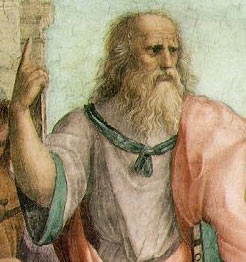 English: The School of Athens (detail). Fresco, St...
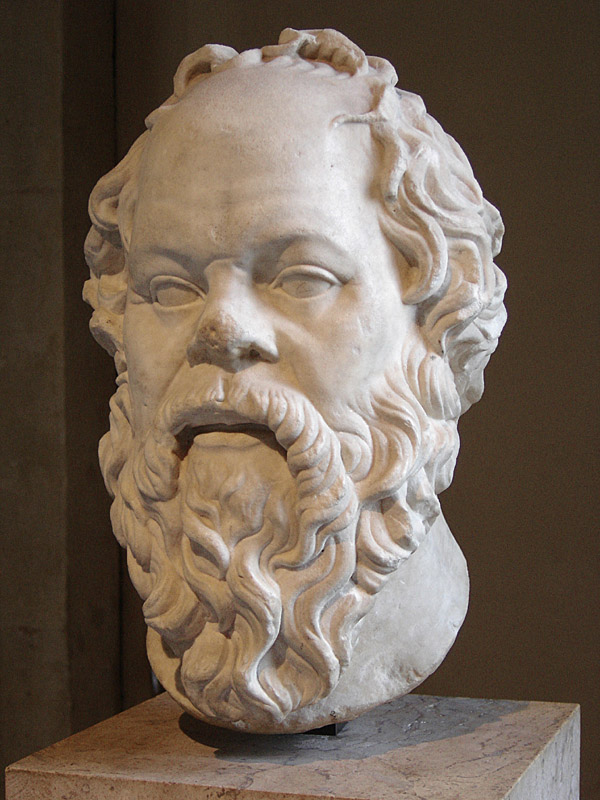 Portrait of Socrates. Marble, Roman artwork (1st c...
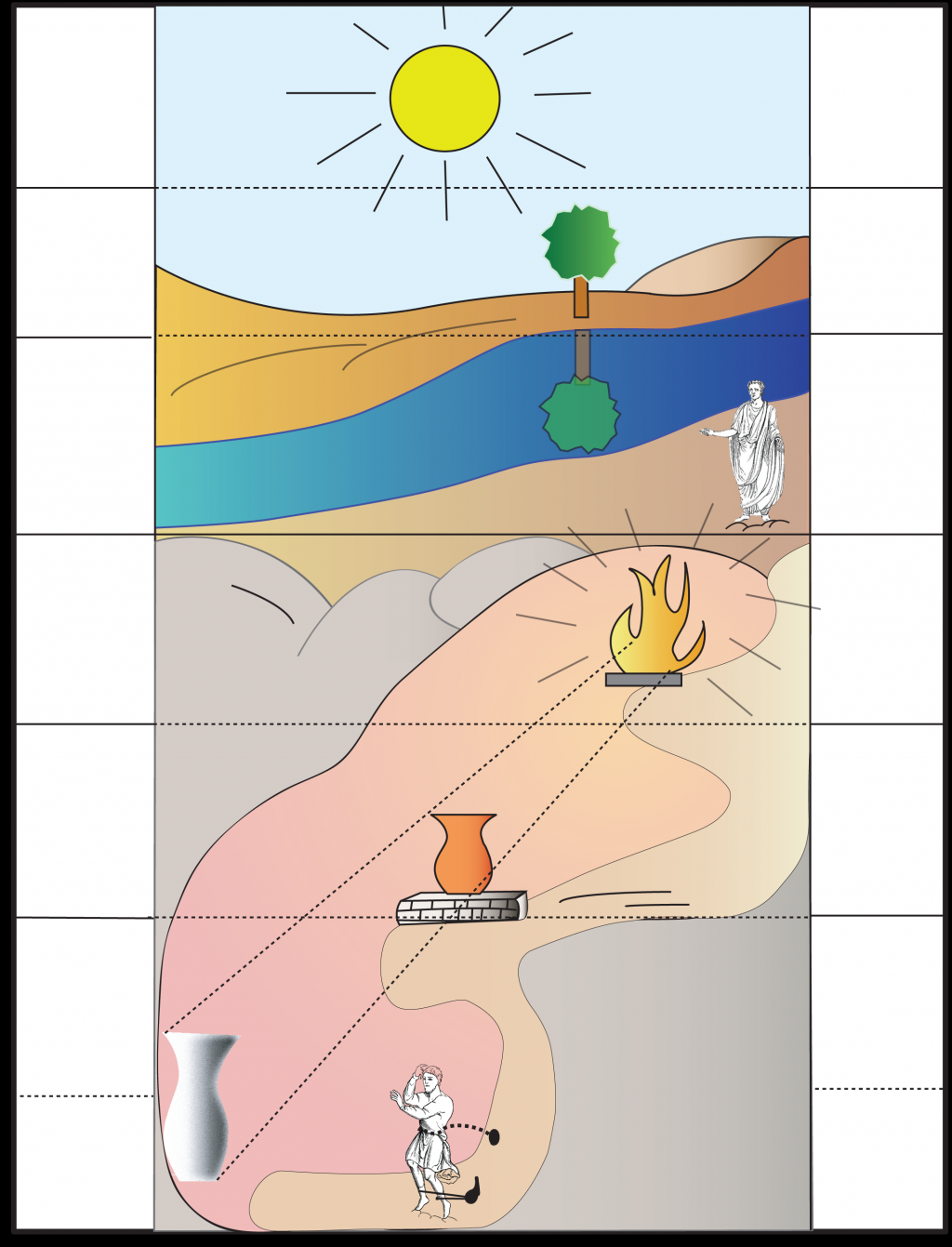 Allegory_of_the_Cave (Plato)
This theory is near impossible to explain scientifically, and may be hard to comprehend when considering modern science and law. Here in lies one blemish to Protagoras's theory of relativism, but somehow his thought and theory found its way into a new way of thinking.
In applying this theory to modern epoch, one can observe each culture and it's perception of law and government. In the same way that Protagoras used his theory to explain law in his time, we can apply this same relativistic theory to how we perceive other cultures and their beliefs. One countries law may differ from another's but this does not make either firm of law right or wrong. Protagoras agrees that the law and government reflects a cultures general beliefs of morality, but may very well not be believed as right to everyone in that culture. "For...