The age of space exploration opened in the sixth decade of the 20th century. In its first two decades, robot probes and then human beings first ventured beyond the limits of the Earth's atmosphere and landed on another celestial object, the Moon. Probes have since gone on to explore the far realms of the solar system and beyond.
Although the space age is still young, it is based on a long history of theoretical and practical developments. Long before the enabling technology for entering space was developed, a theoretical basis had been laid by science (see astronautics). The key to space exploration, however, lay in the production of the rocket engine (see rockets, missiles, and space launch vehicles), which made possible the lofting of objects beyond the Earth's atmosphere. Once that was achieved, supporting technologies combined to yield the broad range of activities now being pursued in the realm of space.
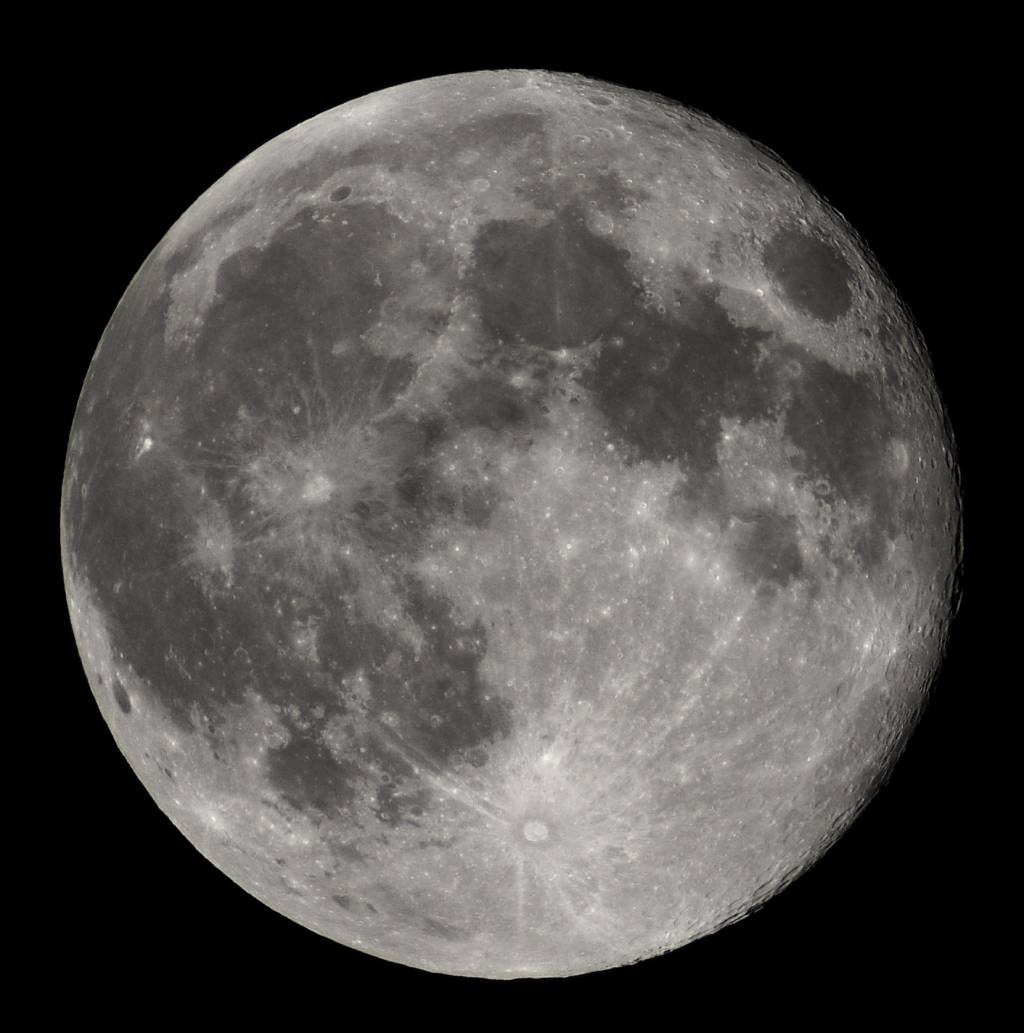 Full Moon view from earth In Belgium (Hamois). Fra...
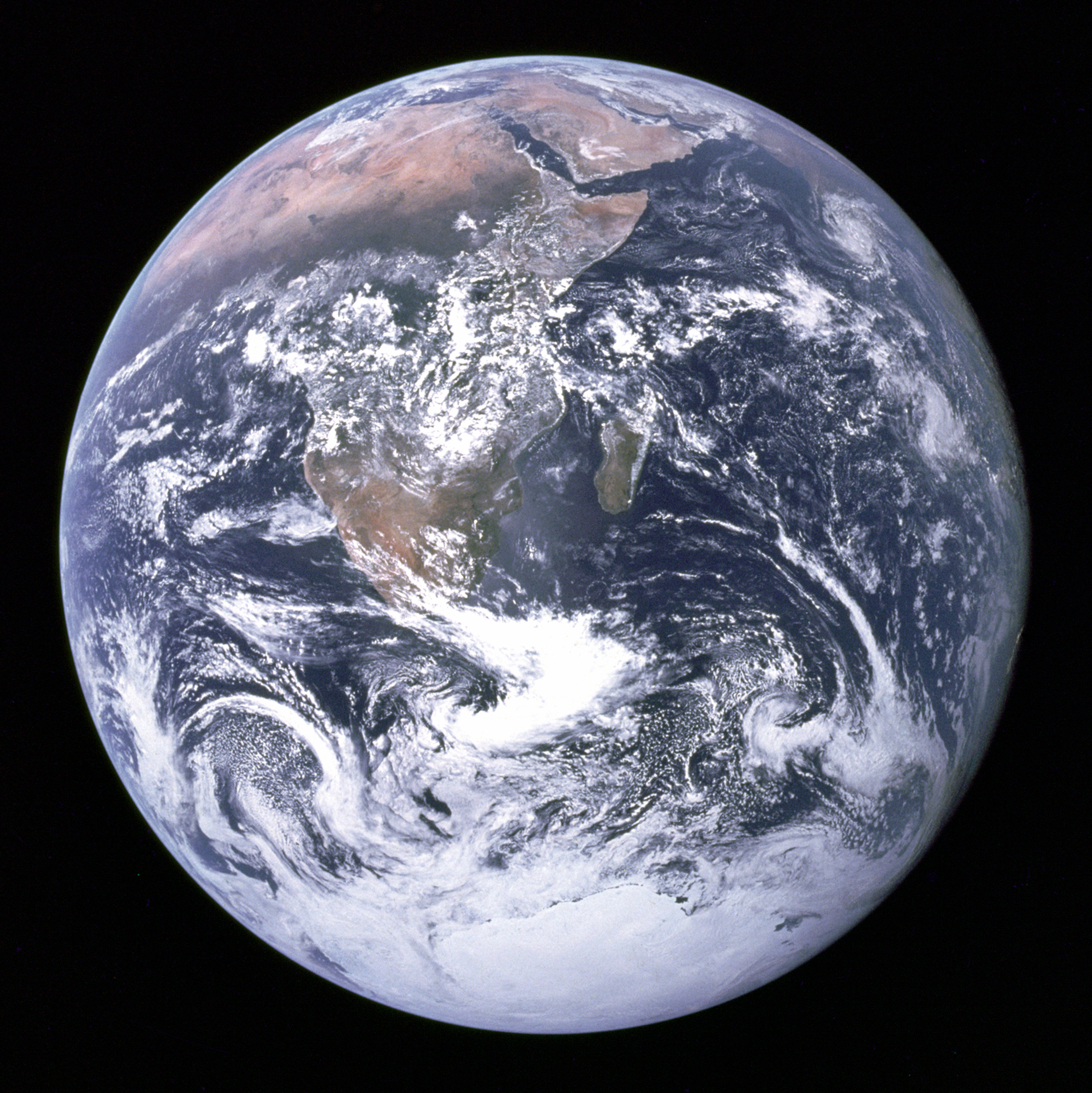 The Earth seen from Apollo 17.
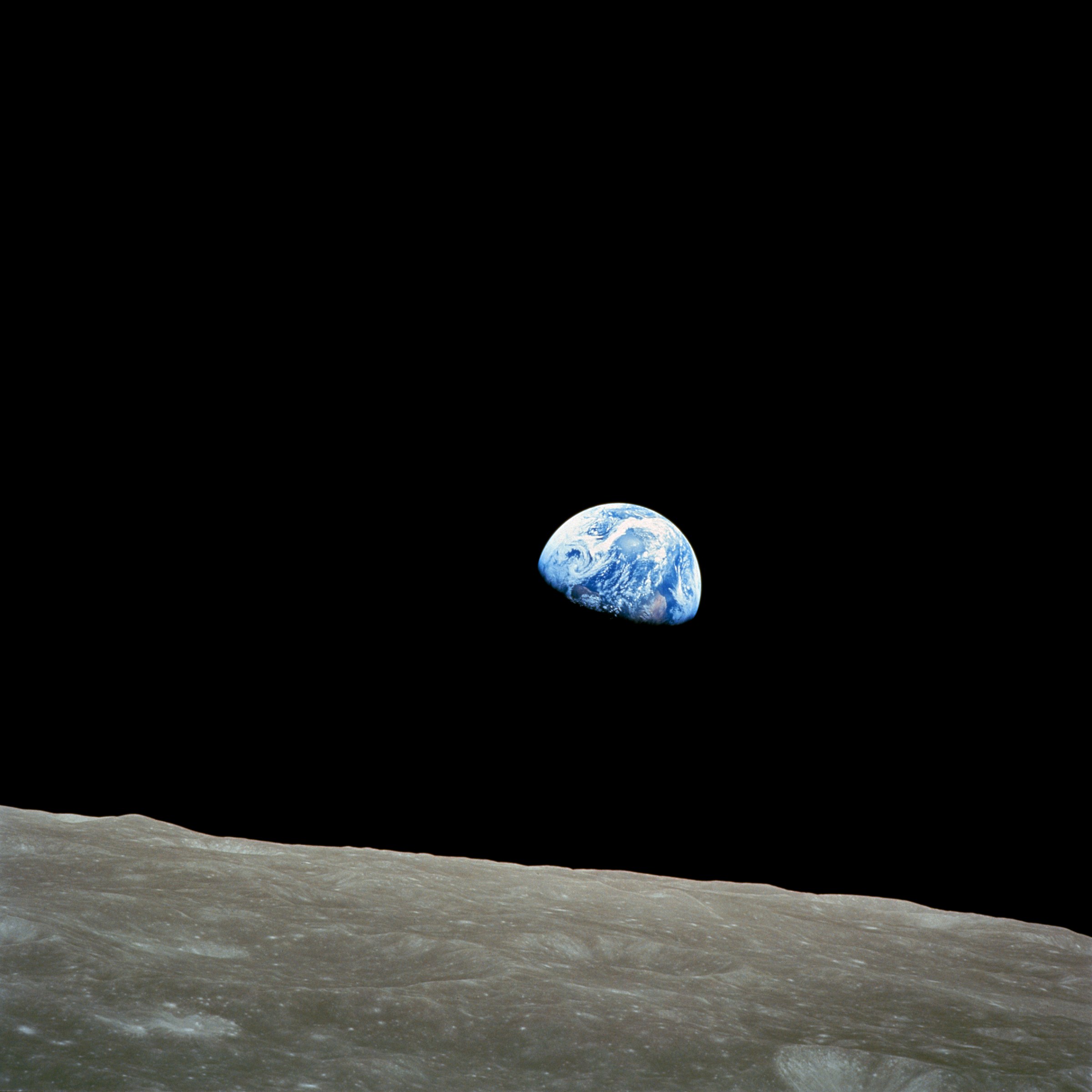 Taken by Apollo 8 crewmember Bill Anders on Decemb...
Such technologies include the development of scientific instruments to sense the conditions and processes found in outer space and to observe the objects encountered there, as well as the development of the transportation and communications hardware to support these activities. In order for human beings to survive in space, the effects of the vacuum, microgravity, and radiation conditions of that environment had to be studied as well (see space medicine), and the appropriate life support systems developed to meet those conditions.
Space exploration today includes the investigation of celestial objects ranging in size from atmospheric dust to the giant planets of the solar system and the Sun itself. The conditions encountered in outer space also alter familiar terrestrial processes, from simple chemical reactions to complex biological activities, and such effects are being explored to determine how they might prove useful, as in crystallization and drug purification processes. In...
Space exploration
Its extremely well written and really interesting. Eventhough it is only for the 8th grade i still feel you could have got quite abit more info in there, and make the essay longer. Otherwise well done
3 out of 3 people found this comment useful.