Steven Spielberg
Steven Spielberg
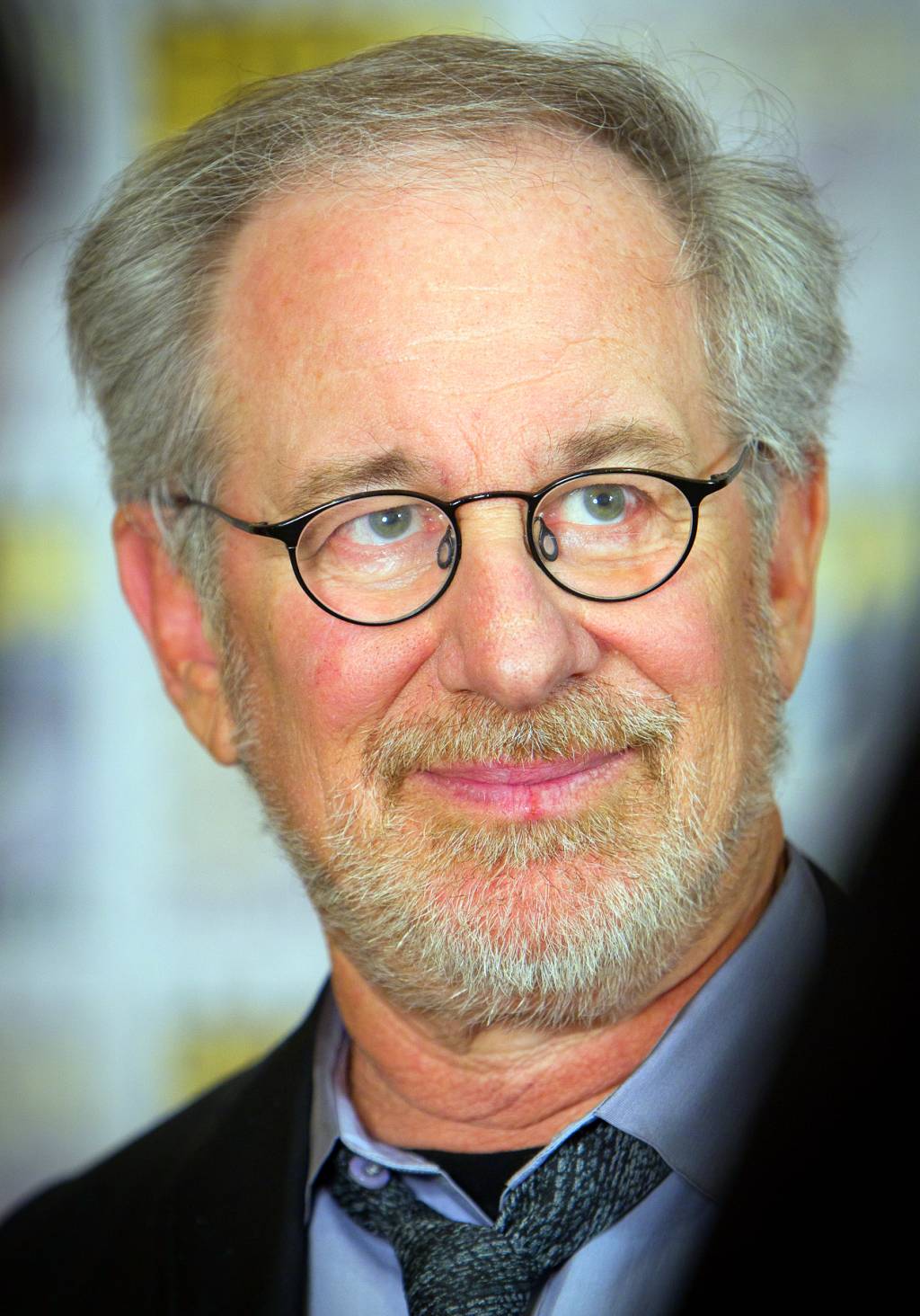
As a kid in Phoenix, Steven Spielberg charged admission to his home movies while his sister sold popcorn. Although Spielberg excelled at making movies he was not a good student. He hated school and was one of the most unathletic students there. His movie making career began at the age of twelve when his father bought a movie camera that Spielberg used all the time. Instead of doing his school work he was using the camera. While he was working with his mom and sister on his projects, his father helped him make miniature sets out of paper mache.He turned out his first production, with script and actors, when he was thirteen, and a year later he won a prize for a forty minute war movie titled Escape to Nowhere. At the age of sixteen, his 140-minute production, Firelight, was shown in a local movie theater. In college, his short film, Amblin was shown at the Atlanta Film Festival and led to the boy genius's Universal Studios directing contract at the age of twenty.
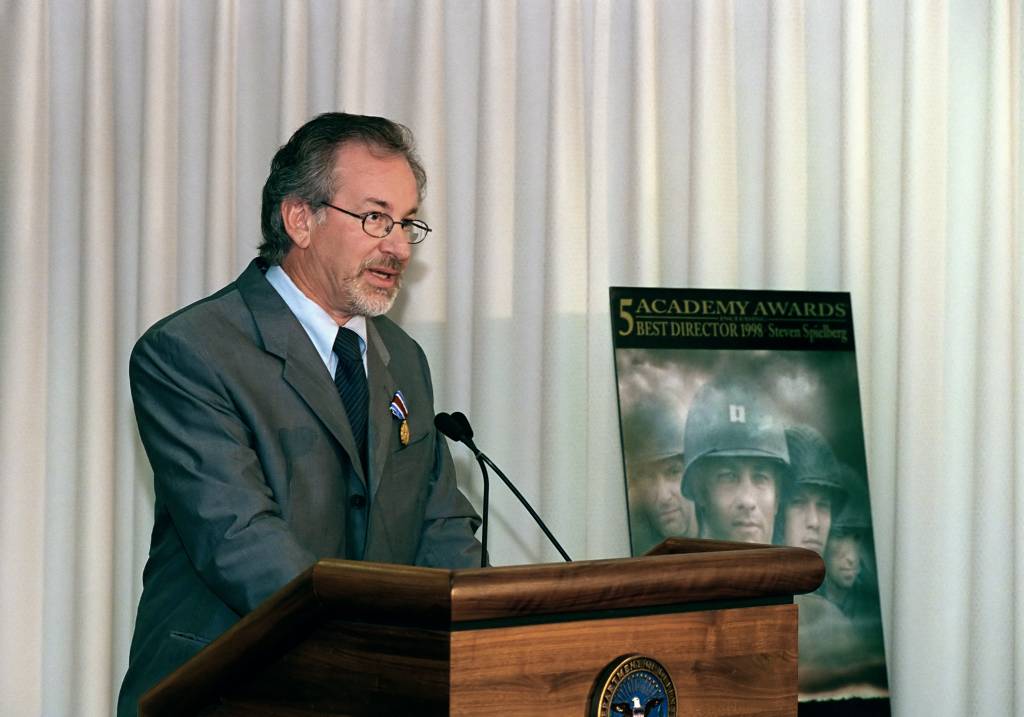
Spielberg learned his craft doing television work, which included an episode of the Rod Serling series Night Gallery and the classic cult movie Duel. His first feature, The Sugarland Express, was released in 1974, and he was soon offered the chance to direct a thriller about a great white shark terrorizing a small New England beach town. Jaws cost $8.5 million and grossed $260 million. Spielberg followed it up two years later with Close Encounters of the Third Kind, earning a Best Director Oscar nomination and proved to the world that he was one of the best directors of the time.
However, he followed Close Encounters with the disastrous Movie, 1941, which was his first attempt at comedy and his first true failure. He...
More Directors
essays:
Biography of Stephen Spielberg
... 140-minute production of Firelight (which would later inspire Close Encounters) was had one showing in a Phoenix movie house and brought in $100 profit. After being denied entrance into traditional film schools, Spielberg entered California State University in ...
Steven Spielberg
... 140-minute production, Firelight, was shown in a local movie theater. In college, his short film, Amblin was shown at the Atlanta Film Festival and led to the boy genius's Universal Studios directing ...
Alfred Hitchcock 50 Years of Movie Magic
... a film in progress, got very sick and had to leave the movie. The lead actor Seymore Hicks had to take over the duties of direction, but was stumped on ideas. The young Hitchcock assisted him with the rest of production ...
Hitchcocks ROPE (1948) its production, distribution and exhibition, film techniques, special effects and audience.
... produced short films of everyday occurrences such as a train pulling into a station. They filmed long, unedited takes, this partly to do with the fact that cameras at ... book films. With this decision all of the five studios remained in the production/distribution side of film but ...
A review of the life of alfred hitchcock and all his works.
... final film for British International Pictures, was based on a stage play and was a comedy-thriller, a genre in which he felt at home. It seems Hitchcock had performed every function on a movie production except ...
South African Directors and a history of South African film
... own production company, Visio Films. The 1980s saw the upsurge of Van Rensberg' creative genius. As mentioned before, his great anti-Apartheid piece The Fourth Reich was screened at the famed Cannes Film Festival, although ...
Alfred Hitchcock
... The film making business hit a growth period in the 1920's. In Hollywood, the assembly line "studio" system of producing a movie was changed and refined, and the famous studious that dominate Hollywood production today, such as Universal Studious ...
John Woo's Road to Fame
... this movie, Woo had been invited to film festivals all ... but first, he would need a new business partner. Soon, he would find Terence Chang and together, they created their own production studios. Using this new production company ...