Supply, Demand, and Price ChangeFor the past 30 years, the Federal Trade Commission has investigated nearly all petroleum-related antitrust matters and has held public hearings, conducted economic studies, and prepared extensive reports on relevant issues. Since 2002, the staff of the FTC has monitored weekly average retail gasoline and diesel prices in 360 cities nationwide in order to find pricing inconsistencies that might indicate anticompetitive conduct, and to take action where appropriate. This is the only industry in which the FTC maintains this type of a price monitoring project (Federal Trade Commission [FTC], 2005).
In a July 5, 2005, article titled ÃÂFTC Releases Report on ÃÂGasoline Price Changes: the Dynamic of Supply, Demand, and Competition,ÃÂÃÂ the Federal Trade Commission reports that it issued a report entitled ÃÂGasoline Price Changes: The Dynamic of Supply, Demand, and CompetitionÃÂ (the ÃÂReportÃÂ). The Report analyzes the many different factors that have a bearing on the rise and fall in the prices that U.S.
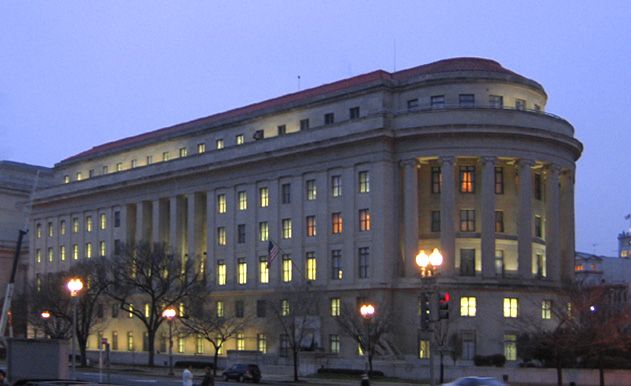 English: Washington, D.C. headquarters of the Fede...
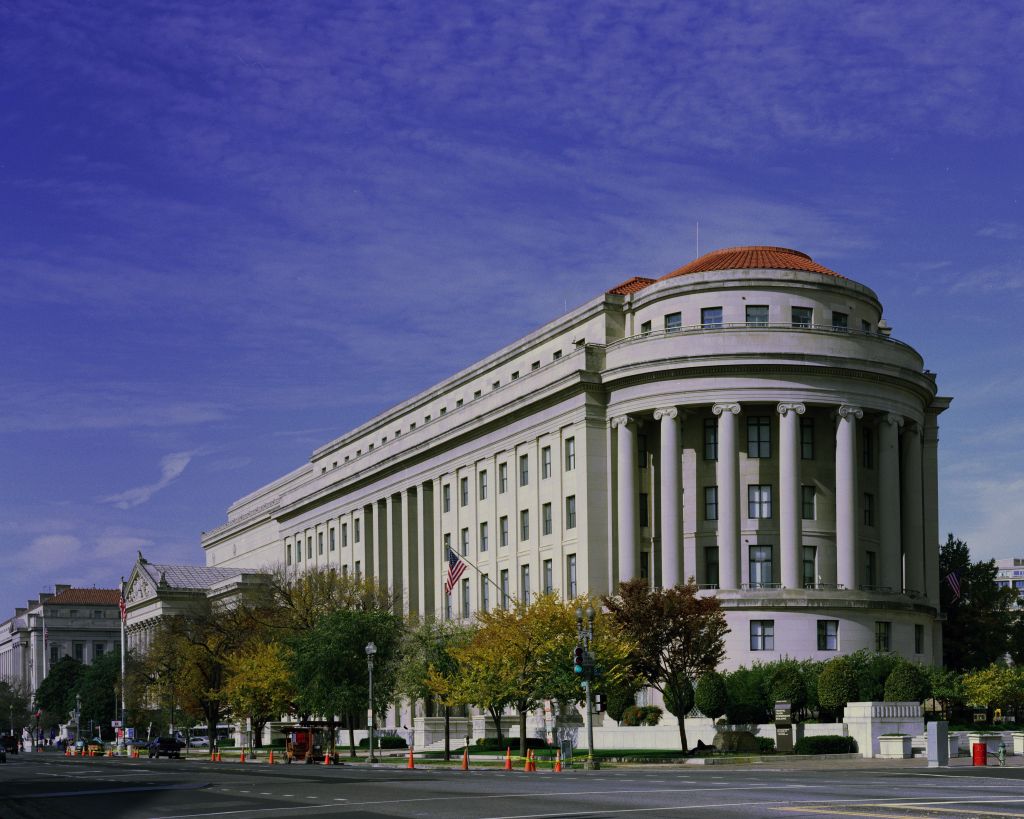 The Apex Building, headquarters of the Federal Tra...
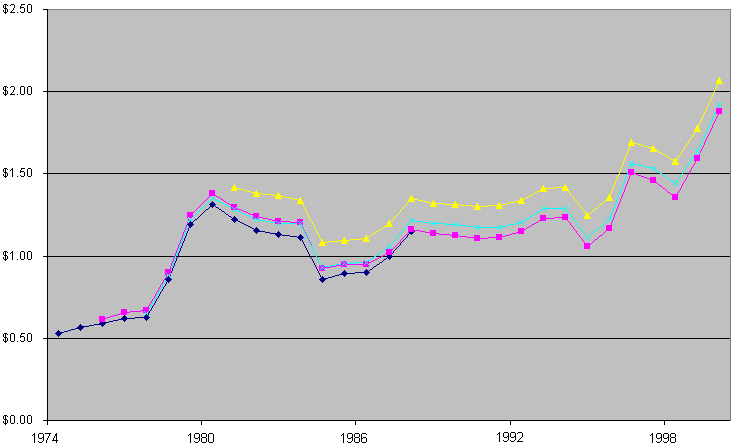 US gasoline prices 1974-2004
consumers are paying for gasoline. The Report examines a wide range of gasoline price factors, including the cost of crude oil, increasing national and international demand, and federal, state, and local regulations, all of which influence the prices consumers pay at the pump. One of the ReportÃÂs conclusions is that over the past 20 years, changes in the price of crude oil have led to 85 percent of the changes in the retail price of gasoline in the U.S., while other important factors have included increasing demand, supply restrictions, and federal, state, and local regulations such as ÃÂclean fuelÃÂ requirements and taxes (FTC, 2005).
The article goes on to quote Chairman Deborah Platt Majoras as stating, ÃÂU.S. consumers are frustrated by rising gasoline prices, and they deserve to know the facts. Further, only through a hard look at the facts...