There is no need for the Bill of Rights
This is a good way to piss off a professor who used to be a hippie Liked the argument, but didn't agree
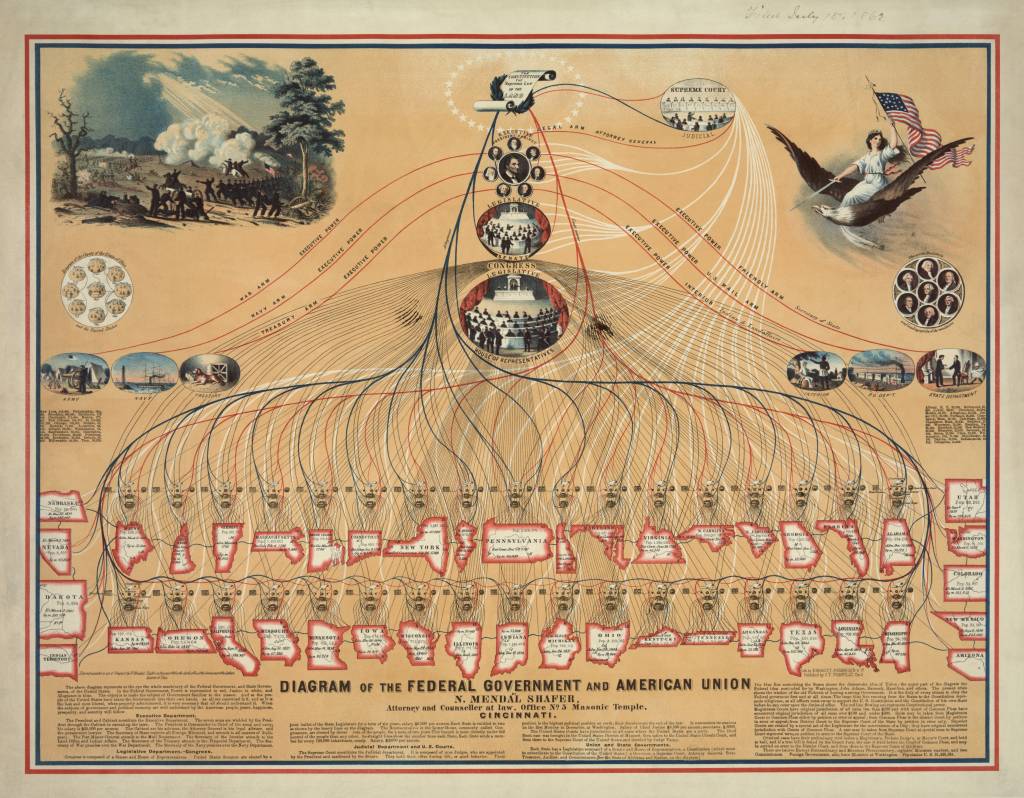
The broad language of the second article of the Constitution left many questions about the power and authority of the President and the Executive branch of the Federal Government. Since George Washington, each Chief Executive has come to the position with different beliefs on the responsibility and power of the President. However the performance of the president is often shaped by outside factors which control how he must act as a Chief Executive. The behavior of presidents come from a number of different criteria. A president's personal character, his approach to the position and circumstances during his term all contribute to presidential behavior.
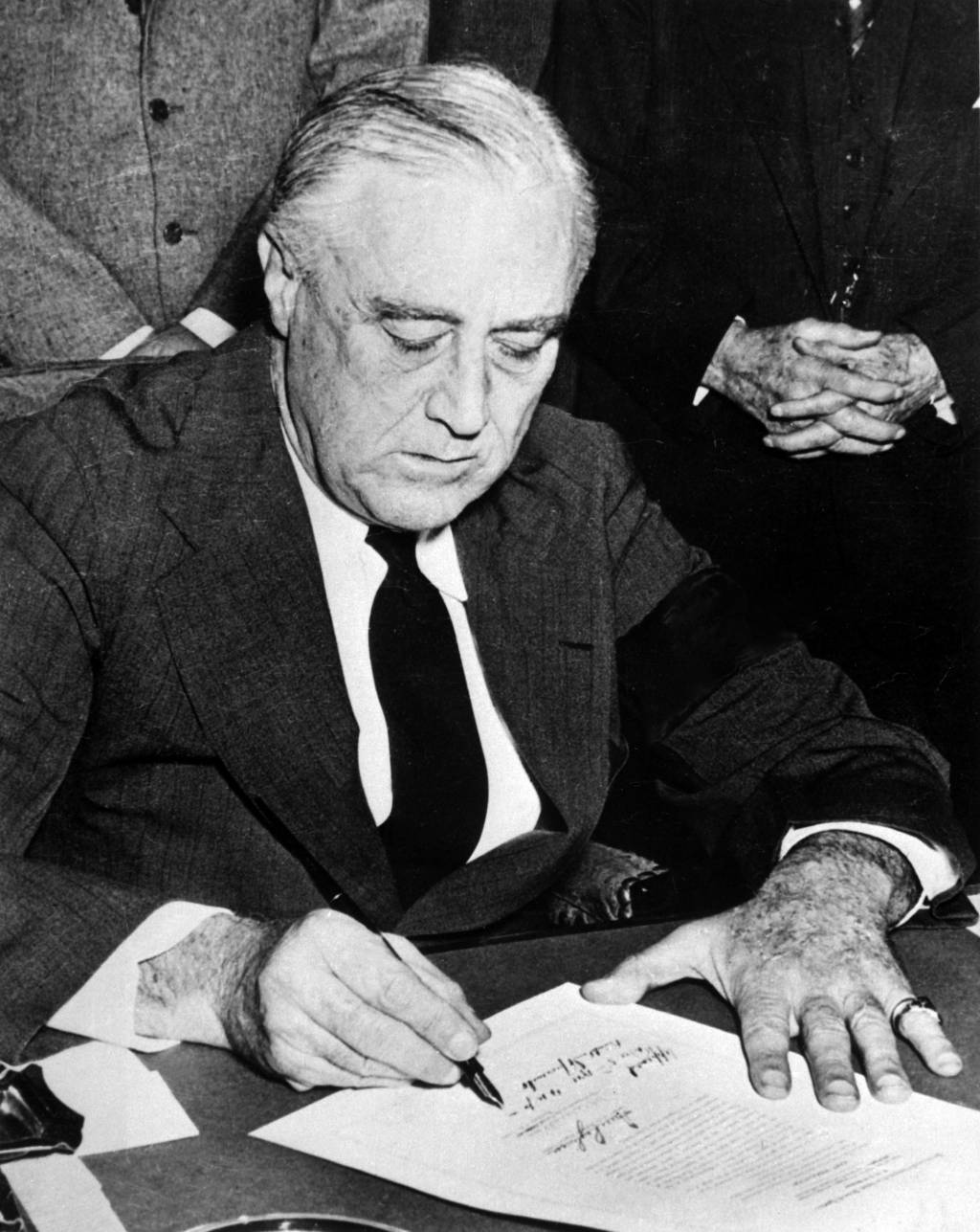
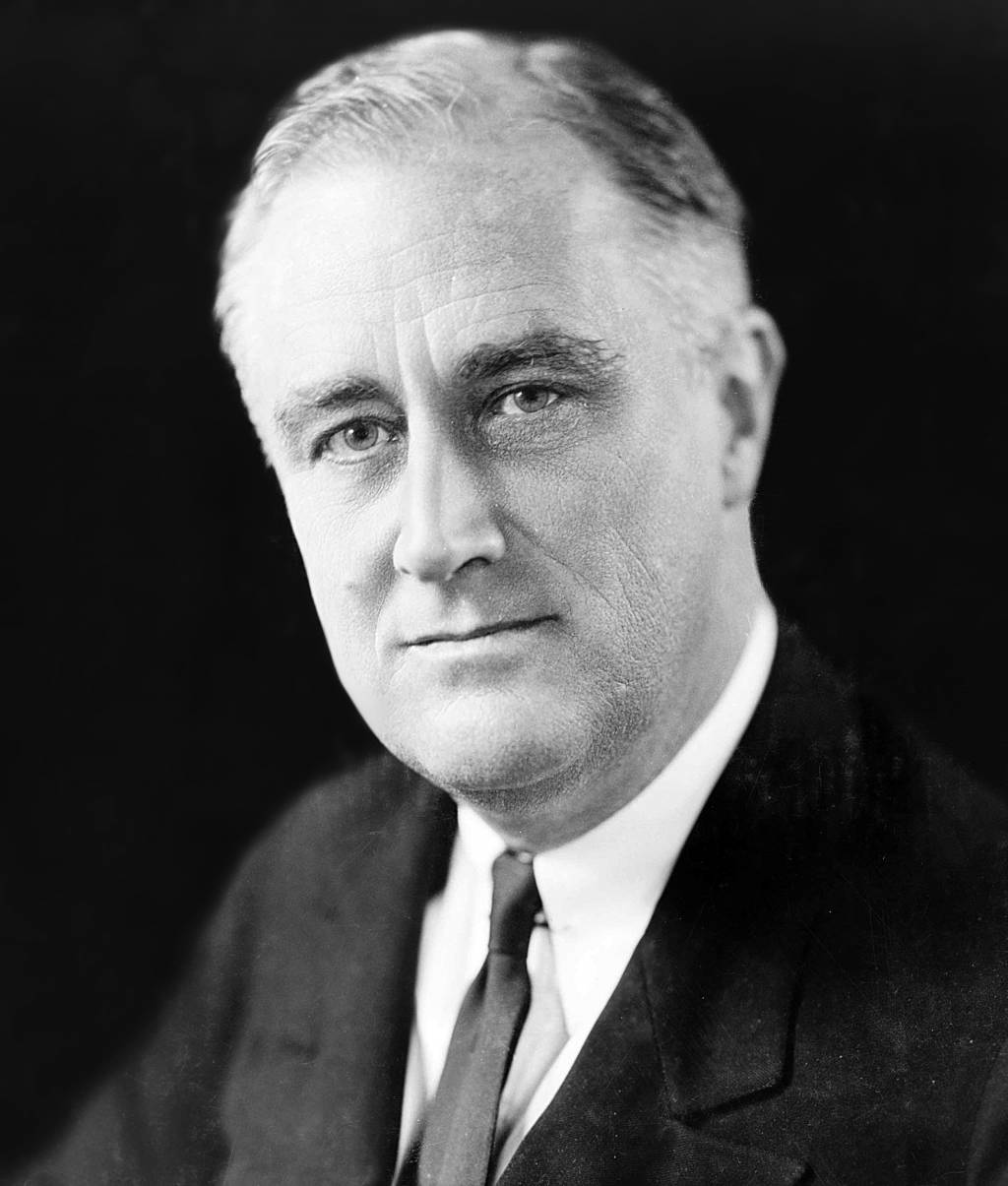
Presidents have approached the office from two vague positions. They have believed, to varying degrees, that either the president has a strong leadership position and broad powers to direct the nation in one direction, or that the president has very limited powers dictated by the Constitution and should act like a chief administrator for the Federal Government. These beliefs were reflected in their behavior while in the White House. Franklin Roosevelt believed that the Federal Government had an obligation and interest in bringing the nation out of the depression. In order to do this he initiated a number of agencies and projects to employ people. In the first 'Hundred Days' of Roosevelt's first term he initiated a number of programs which increased the size of the Federal Government and the power of the President. He did all that he could to see that his proposals were put into place. This included a failed court packing scheme to have a more friendly Supreme Court to find his programs constitutional (Lowi and Ginsberg
...
More Political Science
essays:
The Structure of the Executive Branch
... the federal government, administrative head of the executive department of the government, and commander in chief of the armed forces of the nation. With these titles, he has many duties and responsibilities. The President works with the other two branches in ...
How does the separation of powers in the US constitution both facilitate good government and check tyranny?
... the president cannot constitutionally consolidate power for a long-term office, and this puts pressure on him to perform whilst he can for the benefit of the country, facilitating good government. As well as limiting the powers of the executive branch ...
The meaning of Federalism, definition, some history about it
... time, government was delayed and could not be moved. George Washington and other statesmen realized that the republic could live if, and only if, the federal government had ... time, this system was so weak that it had no chief executive and no central body to enforce the laws. Since it ...
The two problems that are occurring in the world today is the Civil Rights, and Capitalism. Capitalism is an economic system that is defined by it ownership of a free market.
... The president that sits at the top of the council is considered to be the most power person out of the Chief Executive Branch. 5 ... every year to the state to be spent by the federal government out of state. Without the budget cuts and jobs insecurity ...
Revenue Sharing between the States and the Federal government
... years, due to the expansion and retraction of the size of the federal government. The federal government began expanding in the 1930s to deal with the Depression. It used federal agencies to directly deal with problems. As time went on, the ...
Martha Washington
... named president of the convention before ratification of the new Constitution. He returned to Mt. Vernon and in April the Electoral College elected him unanimously as the president of the United States of America. George Washington was ...
Summary of the "Federalist Papers".
... the state governments from usurpations of power by the federal government. The division of the federal government into three distinct branches, each ... plan to meet their different needs Critics claim that the Constitutional Convention was not authorized to remove the Articles of Confederation. In ...
Federalism: Do States Have the Right to Restrict Illegal Immigration?
... million (Washington Post A14). Providing these services has cost the states several billion dollars these seem to be powerful incentives for slipping into our country illegally. Since it is the federal government's ...