Two Critical Documentaries-- Comparing the films "Sonic Outlaws" and "Manufacturing Consent"
"Who can is responsible for these problems? and how can I express my nearly adolescent tendency toward instigation in addressing these problems?"
"Well, Negativeland, these problems are the result of corporate imperialist practices, and you can express those tendencies and address these problems with your art."
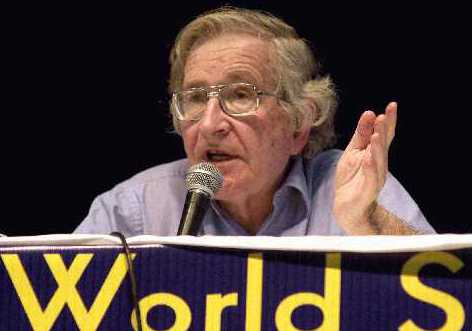
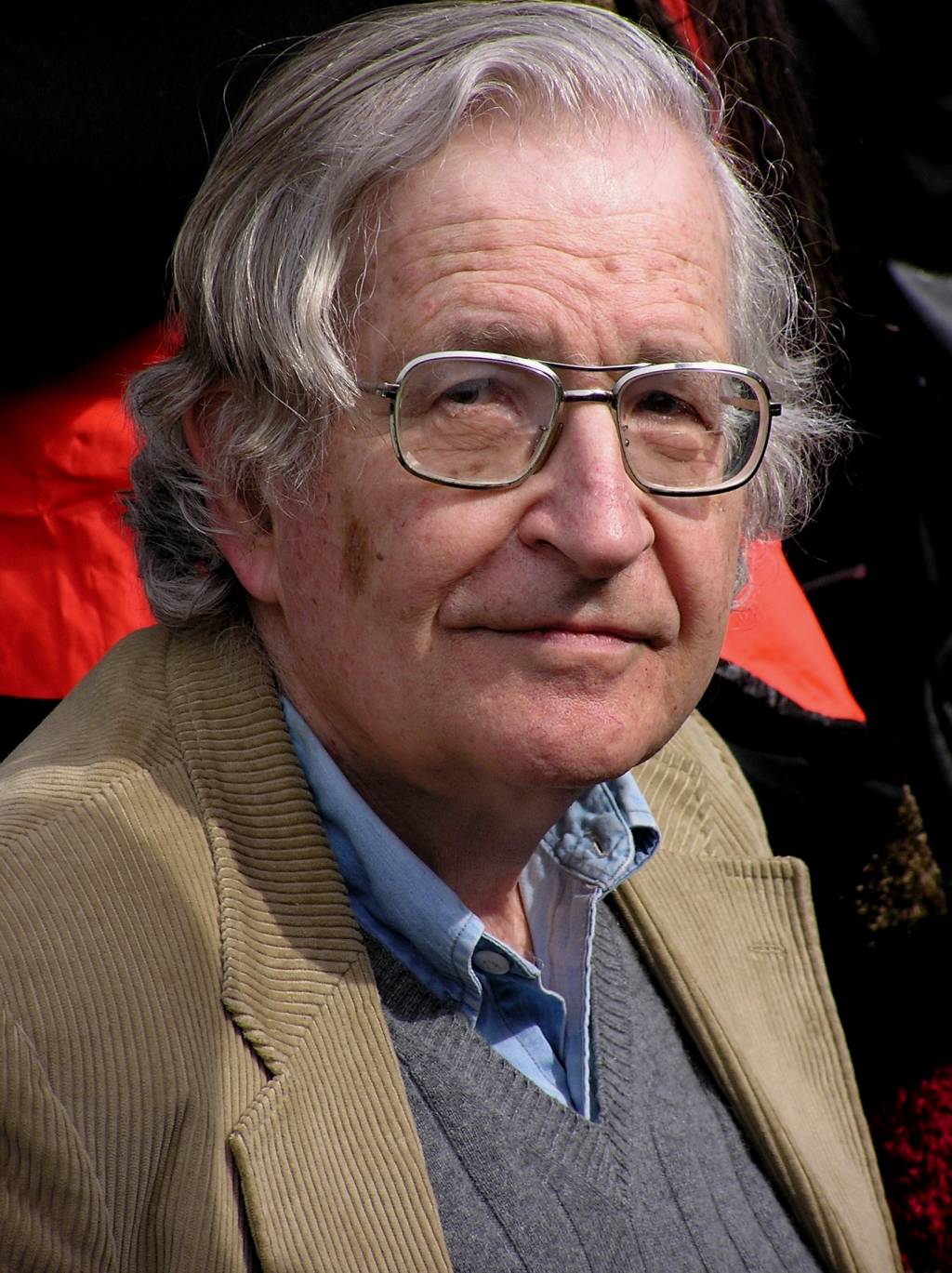
Negativeland is the primary subject of Craig Baldwin's documentary video, "Sonic Outlaws". Along with Negativeland "Sonic Outlaws" looks at media practitioners such as E.B.N. (Emergency Broadcast Network), The Barbie Liberation Organization (B.L.O.), whose art begins with the raw materials of appropriated mass media. Generally, the purpose of these forms is to subvert the intentions of advertising, and other media by drawing attention to the various social problems they overlook or create. Baldwin's documentary represents these groups as heroic culture-jammers. Culture-jamming, generally, is a practice used by artists and activists, which consists of high-jacking the forms and imagery of mass media, images familiar to vast audiences, and using them to counter-act social, economic and political injustices the mass media maintains. Many of these artists and activists see mega-corporations that control the planets resources (human, natural and otherwise) as the primary malevolent force of our rime. Baldwin's take on the fight is at the puerile, adolescent end of the attack on the corporation, at the other end of the offensive is "Manufacturing Consent", a documentary by the Canadian film makers, Mark Achbar and Peter Wintonick. "Manufacturing Consent" is a juggernaut of propaganda exposing and attacking corporate control of media and our freedoms.
Negativeland's energetic, irreverent attacks appeal to the puerile sensibility. Some of the scenes in Baldwin's video depict Negativeland as simply steeling other artist's material or other people's voices with no regard for the law or the moral implications of what they are doing. There is one scene that shows the senior member of Negative...
More Film & TV Studies
essays:
Westerns and social commentary
... highly prejudicial motif. The Indians in early films were depicted as uncivilized, marauding, peoples with no consciousness of their actions. They symbolize a collective vision of the white man's prejudice against race and diversified cultures ...
England Swings into it's own Grave: England Swings, right into its own Grave. An analysis of the depiction of British National Identity in the 1973 Vincent Price horror classic "Theatre of Blood"
... British tendency to utilize creative tradition as a weapon against cultural attrition. Despite obvious language similarities, Hollywood filmmaking, and that of its British counterpart, remained highly independent ...
The more faithful, the better adaptation?
... as raw material. He looks not to the organic novel ... Festival awarded film is regarded to be a kind of 'high' culture though everybody know it would not be a blockbuster. Therefore ... is clear that all the directors or producers were not subverting Alcott's story, but just paraphrase it or interpret it ...
What factors led to the provision of Britain's fourth television channel? How did Channel Four change public service broadcasting?
... a model example of a compromise between different visions of broadcasting." (Media, Culture and Society, March 2002) When the report came out in ...
Hitchcocks ROPE (1948) its production, distribution and exhibition, film techniques, special effects and audience.
... on the subject of montage and editing and its overall effect on films and its viewers. "The shot is only raw material that the film maker uses to construct the edifice of his film" Sergei Eistenstein His theory stated that a ...
"There is no spoon". How the illusion of reality is deconstructed in The Matrix by the codes of cinematography?
... Metz differentiated five channels of conveying information that constitute the raw material of film. These are: 1. multiple, photographic and moving images ... pervading version of reality presented by the images given by culture which insists that these pictures are reality. (Andrew, Concepts in ...
Dr. Strangelove - end of the war, and i feel fine
... technological devices (i.e. nuclear weapons) should be used. This emerging Cold War cultural paradigm was both created by and gave birth to a ... the relationship between technology and humanity by emphasizing mankind's tendency to create machines that cannot be adequately controlled. By blatantly ...
Do you feel that Computer generated imagery (CGI) should be the way forward for the film industry? Base your argument on at least two theoretical frameworks.
... mirror to nature. He says that film actually reproduces the raw material of the physical world within the work of art and ... Toy Story in 1995 BIBLIOGRAPHY Turner, G (2002) The film cultures reader Braudy, L & Cohen, M (1999) Film Theory and Criticism ...