In July of 2005, shortly after the appointment of Indian Prime Minister Manmohan Singh, the United States and India announced their intent to strike a deal on the use of nuclear materials. After two years of discussion, the two countries reached a joint agreement concerning civilian nuclear cooperation in India. Although the deal would promote a more friendly relationship between India and the United States, the agreement meets opposition by groups of both countries.
Under the new nuclear deal, India would give consent to the International Atomic Energy Association (IAEA), a supervisory group of United Nations, to access its civilian nuclear program. India, however, will decide which of its nuclear facilities are considered civilian, and fourteen of India's twenty-two power reactors will be placed under IAEA safeguards permanently (Pan 2008). The country has promised that all future civilian reactors will be placed under the safeguards permanently as well. Exempt from inspections or safeguards will be military facilities and stockpiles of nuclear fuel that India has produced up to now.
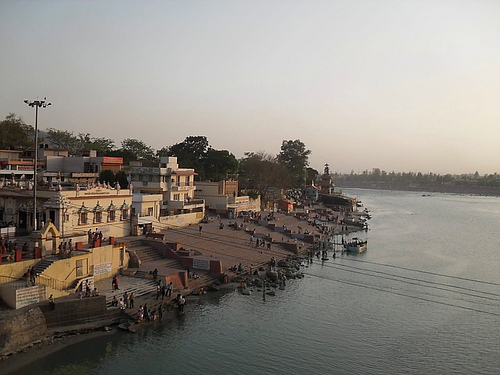 India
India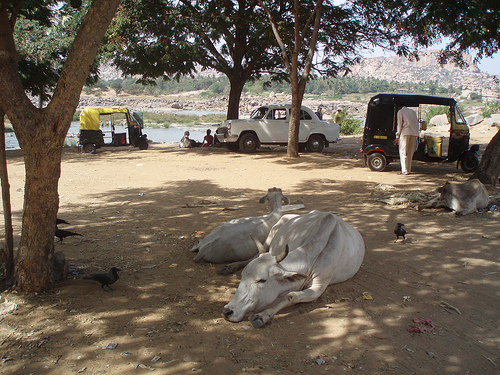 India At Its Best
 China, Shibangou Bridge underpass, Fuling, Yan...
Other terms of the agreement include India's promise to allow more intrusive IAEA inspections, to continue its refrain from testing nuclear weapons, to prevent the spread of nuclear technologies to states that do not have them, and to support nonproliferation efforts around the world (Pan 2008). In turn, American companies will be allowed to build nuclear reactors in India and provide nuclear fuel for its civilian energy program. India would buy U.S. nuclear technology and imported fuel for its nuclear reactors (Pan 2008).
Americans who advocate the U.S.-India nuclear deal reason that the agreement will bring India closer to the United States and that India will be a great ally in fighting terrorism, spreading democracy, and preventing the domination of Asia by any single power (Pan 2008). India will act as...
Awesome
I really liked this paper, I think it was well written and honestly, it opens your eyes, I recommend it to anyone who wants to learn more.
0 out of 0 people found this comment useful.