Vaccines: How they work and the 3 types
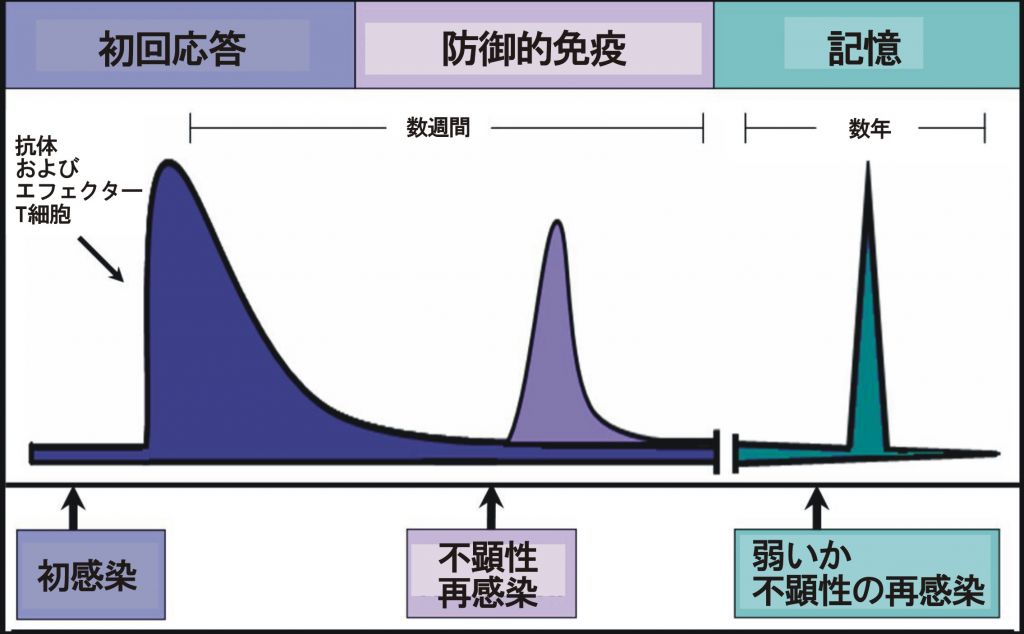
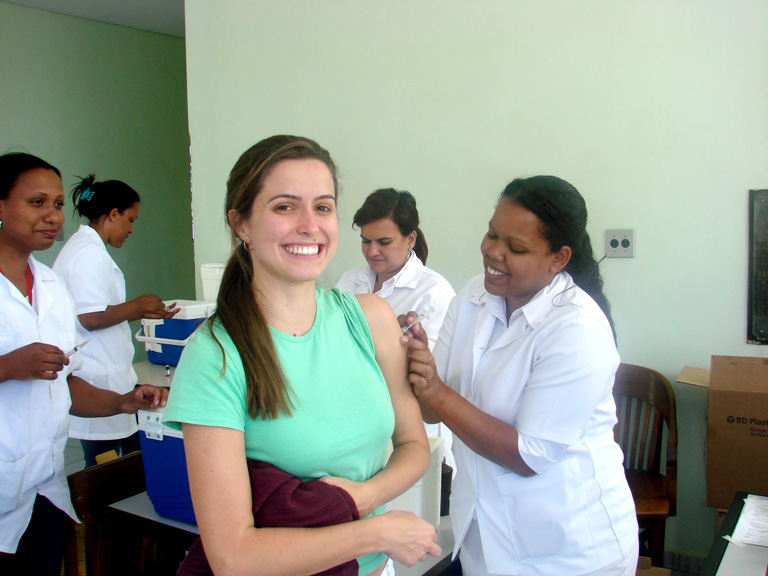
Vaccines work by mimicking a natural infection without causing disease. Because the body is now familiar with the infectious agent and knows how to fight it, the immune system is primed and ready when the real infection is encountered. First, the infectious agent must be separated and identified, and then work can begin on developing a vaccine. If the agent can not be isolated then vaccine development is virtually impossible.
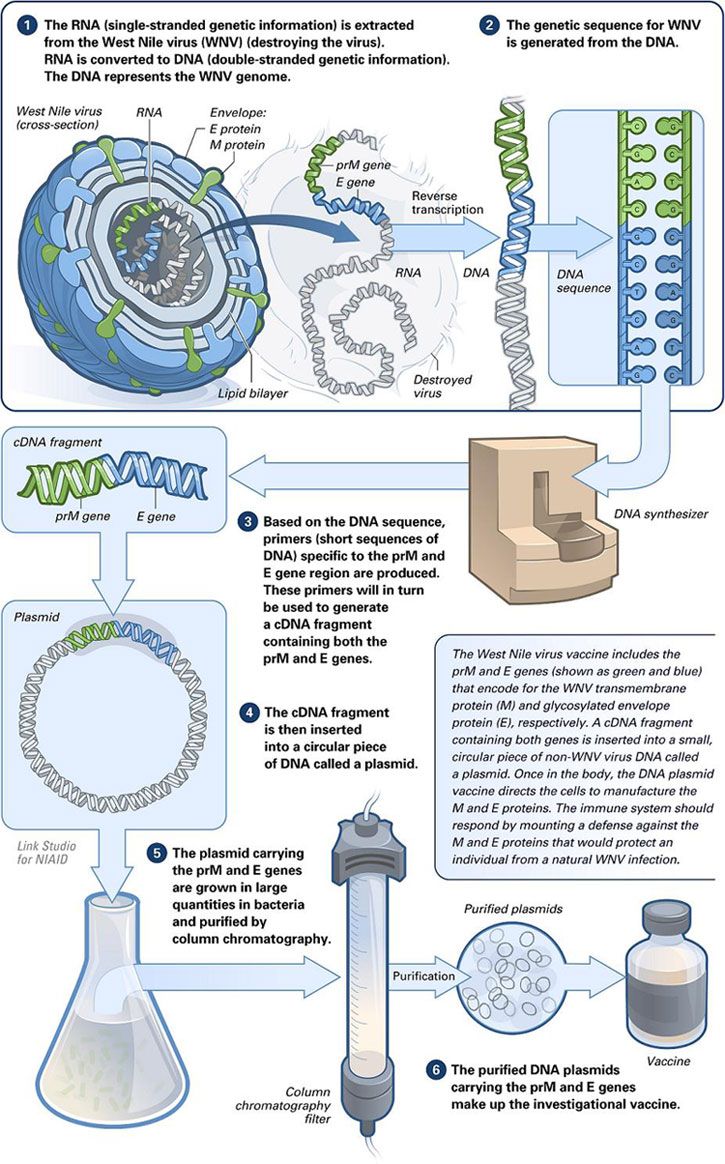
There are three types of vaccines: live vaccines, inactivated vaccines, and synthetic vaccines. Live vaccines are produced by growing the infection causing material under carefully controlled conditions that limit their virtulance. Usually one vaccine injection is sufficient to produced the desired immunity. Inactivated vaccines are produced by killing the infection causing micro-organisms with chemicals or heat. However, most inactivated vaccines stimulate a somewhat weak immune response and require future booster shots to maintain immunity. Synthetic vaccines can be developed from antigenic fragments via genetic manipulation. The fragments of the original material are inserted into a carrier which when injected into a human can often evoke an immune response.
Infectious agents are constantly changing because they are capable of evolving through natural selection and mutation.Viruses evolve to evade the immune system, and can do so very quickly. A virus that is not suspectible to a particular immune system response will survive and replicate, passing along the ability to survive.
Reviews of: "Vaccines: How they work and the 3 types"
:
More Health & Medicine
essays:
The Immune System
... an immune response is called immunization. It may be either natural, through infection by a pathogen, or artificial, through the use of serums or vaccines. The immune system cannot ...
Diseases and the Immune System.
... white blood cells reach our organs they develop and launch an attack against all of the infected areas. Organs and tissues of the immune system dot the ... them. They can also stop the micro-organism from multiplying or spreading its self all around the body. The immune system plays a vital role in ...
Infectious diseases
... Most infectious diseases attack the body through the bloodstream, slowly breaking down vital organs as well as the immune system. This ... involves immunization with hepatitis B vaccine. This process involves receiving three shots over a six-month period. Since this vaccine contains ...
HIV/AIDS - Description, causes, statistics etc.
... health care worker. HIV is a virus that attacks the body's immune system. It also affects the blood cells (lymphocytes) and cells of the organs (bone ... person develops rare illnesses or cancers because their immune system is ...
Basic paper on What Diabetes is.
... than one kind of diabetes (Belmonte 7-8) What causes diabetes? The body's immune system plays an important role in the development in diabetes. The immune system projects us from harmful substances that may harm our body, such as viruses ...
Description of the five types of antibodies generated by the humoral aspect of the adaptive immune response
... receive vaccines. Secondary responses are much more vigorous than primary responses, so vaccines were developed to "prime" the immune response by ... secondary immune response occurs. Secondary immune responses are faster, more prolonged, and more effective, because the immune system has ...
The Importance of Childhood Immunizations
... 2007), Vaccines interact with the immune system and often produce an immune response similar ...
Ebola Virus
... circulatory system unable to pump blood to vital organs. Long before the immune system can ... classification system. BSL-4 agents are exotic agents that pose a high risk of life-threatening disease, and for which there is no vaccine or ...
Just a comment
From what I was able to read, I agreed and enjoyed. The only thing I have to say is that you should have elaborated on the tolerance/immunity of some vaccinations. This issue is fairly uncommon, but to neglect mentioning this could cause some unnecessary ignorance.
9 out of 10 people found this comment useful.