Why did America get increasingly involved in the Vietnam War?
America's increase of participation in the Vietnam War was mainly caused by the long-running causes of the cold war, which were fear of communism and containment.
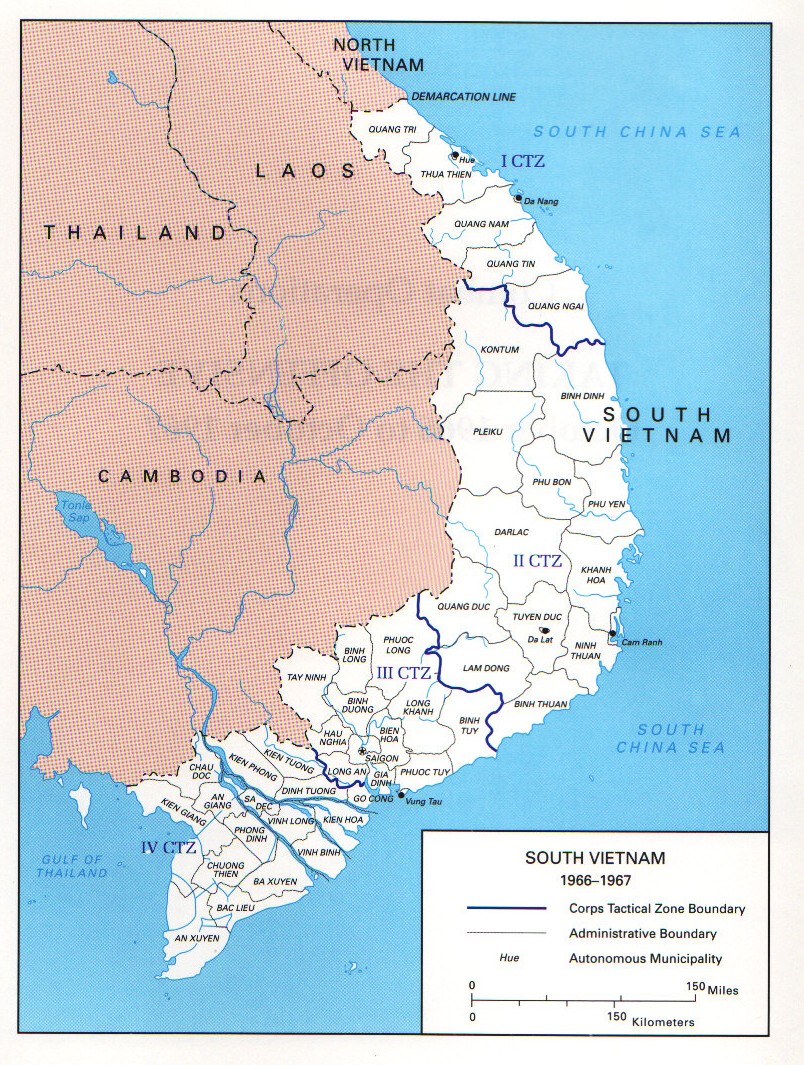
The Vietnam War really started in 1945 with the North Vietnamese Declaring independence. Vietnam was a French colony before the Second World War and, with the liberation of German controlled France; they decided to try to reclaim their imperial state for the French empire. The leader of the Vietnam (Ho Chi Minh) had been shown possibility of support from America during the fighting against the Japanese, so he thought they would help him in the war with France. Unfortunately for him it was discovered that Ho Chi Minh was "sympathetic" to communism and the Americans had announced their efforts to try to contain it. The French also invoked the Truman Doctrine as, technically, they were fighting against a communist aggressor. America sent supplies, equipment and money to Vietnam for the French soldiers.
The war with France ended in 1954 with Ho chi Minh delivering a crushing defeat to France at Dien Bien Phu. The USSR and China recognized Vietnam's independence and this meant the rest of the world was practically made to recognize it was independent, though many countries just ignored what was happening.
After the defeat of France a convention was held in Geneva where it was decided that Vietnam, like Korea was to be split in two with the communists getting the north and the democrats getting the south with elections in 1956 for the people of Vietnam to decide what party they wanted in power. America believed in the "Domino Theory." This suggested that, because of China, Japan, the USSR and North Korea becoming communist they believed that if Vietnam fell to communism that the neighbouring countries of Laos and Cambodia...
More The Cold War
essays:
The 4 Major Causes of the Cold War
... Czech soldiers and the white army to fight resist communism. Thus, no compromise was possible since their ideas were so different and so mutual misconception couldnt be overcome. Another cause of the Cold War was the Soviet ...
Cause of the Cold War
... from Communism, was Truman's policy which called for the resistance and containment of Communism (Keesee and Sidwell 541). These anti-communist actions proved to be just the beginning, however, of the Cold War. Stalin ...
The break out of the cold war
... the Truman Doctrine marked the formal declaration of the cold war between the United States and the Soviet Union -- it also solidified the United States' position regarding containment. The Soviets accepted the Truman Doctrine ...
"The Berlin Blockade was the turning point in the outbreak of the Cold War in the period 1945-1949." How far is this statement accurate?
... in the outbreak of the Cold War. Containment was an effort taken by the US to restrict communism from spreading further through the use of mainly monetary means. The two policies, namely the Truman Doctrine and ...
How (and to what extent) did the conferences at Yalta and Potsdam (1945) contribute to the origin of the Cold War?
... Harry Truman was very anti-communist and saw Stalin as a violator of Human Rights. The clash between communism and capitalism fully came out in the open as the conferences ended which were the true origins of the Cold War. In ...
"As long as Stalin was running the Soviet Union a Cold war was unavoidable." (J.L Gaddis, We Now Know). Discuss this interpretation of the origins and character of the Cold War.
... cause of the cold war, simply because both could not work along side each other. Bibliography Books: Konstantin V. Pleshakov The Origins of the Cold War- Joseph Stalins World View Arthur M. Schlesinger, Jr The Origins of the Cold War-Communist ...
Explanation of the Nature of the Cold War from 1945-1963, including reference to the part played by John F. Kennedy.
... a war of nerves without any casualties. The Cold War had begun. March 12 1947, President Truman announced the Truman Doctrine that proclaimed that the United States planned to provide economic and military aid to contain the spread of communism. As ...
The Positive Aspects of the Cold War: 1946 - 1991 Describes the positive aspects and outcomes of the cold war, and how it helped to create a stable world economy and political structure.
... a Communist revolution. This policy of fighting Communism, known as the "Truman Doctrine", was the basis for millions of dollars of military and defence spending throughout the Cold War by the American government. The government ...