The women's suffrage movement began in 1848 when a group of women met in
Seneca Falls New York. These women issued what became known as the Declaration of
Sentiments and Resolution s, and 11 pt. document outlining the demand for equal rights.
Al of the articles of the Declaration passed except for the right to vote. It was widely
believed at that time, that women were both physically and mentally inferior to men, and
therefore should not have the right to vote. The Seneca Falls convention was organized
by a group of women who had been active in the antislavery movement. When they were
rejected as delegates to an abolitionist convention because of their sex, they vowed to turn
their attention to women's rights. This convention attracted lots of attention from the
press, mostly negative. One of the organizers, Elizabeth cady Stanton, welcomed even the
negative attention. She said "It might start women thinking; and men to; when men and
women think about a new question they the first step is taken.
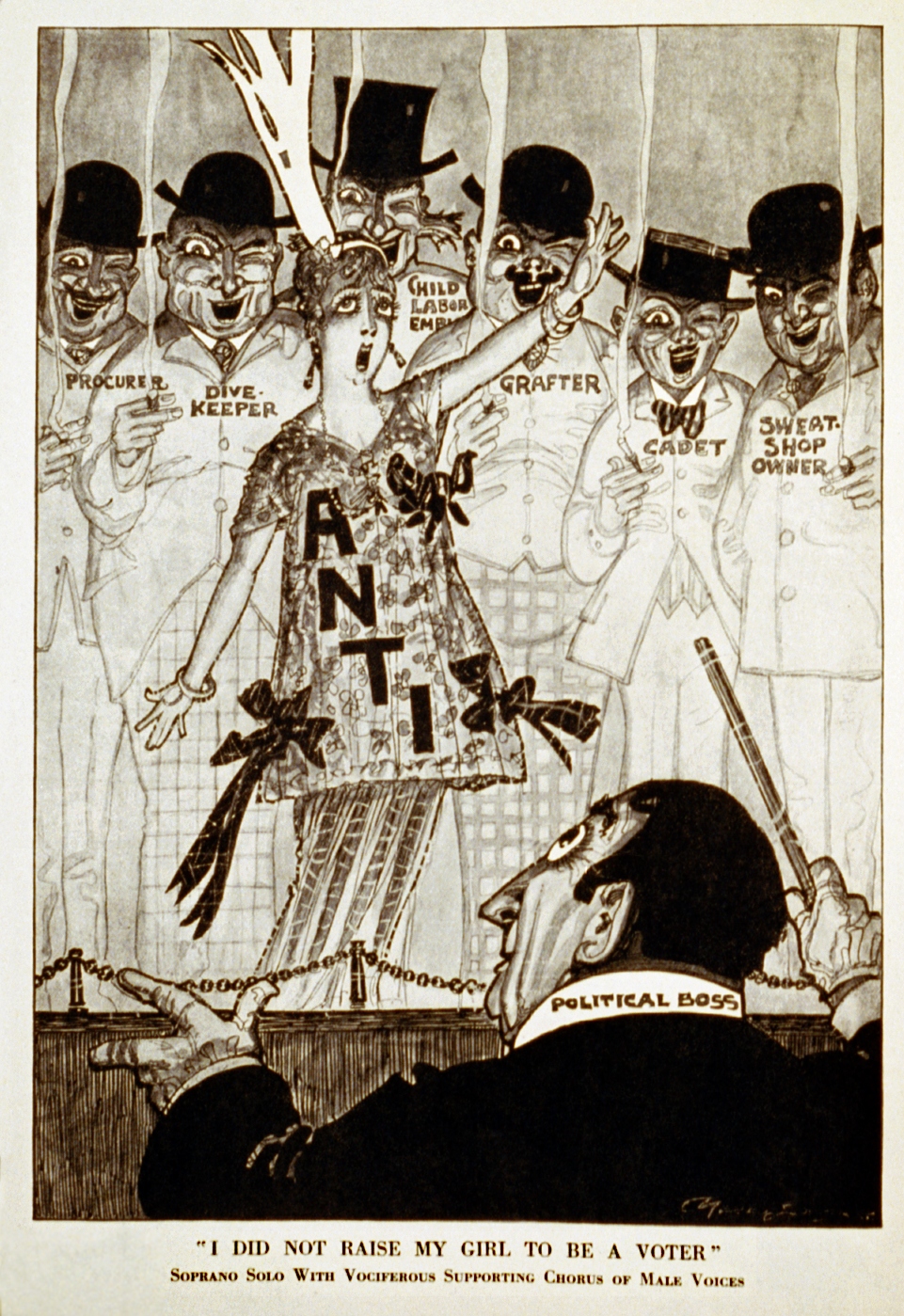 Parody cartoon "I did not raise my girl to be a vo...
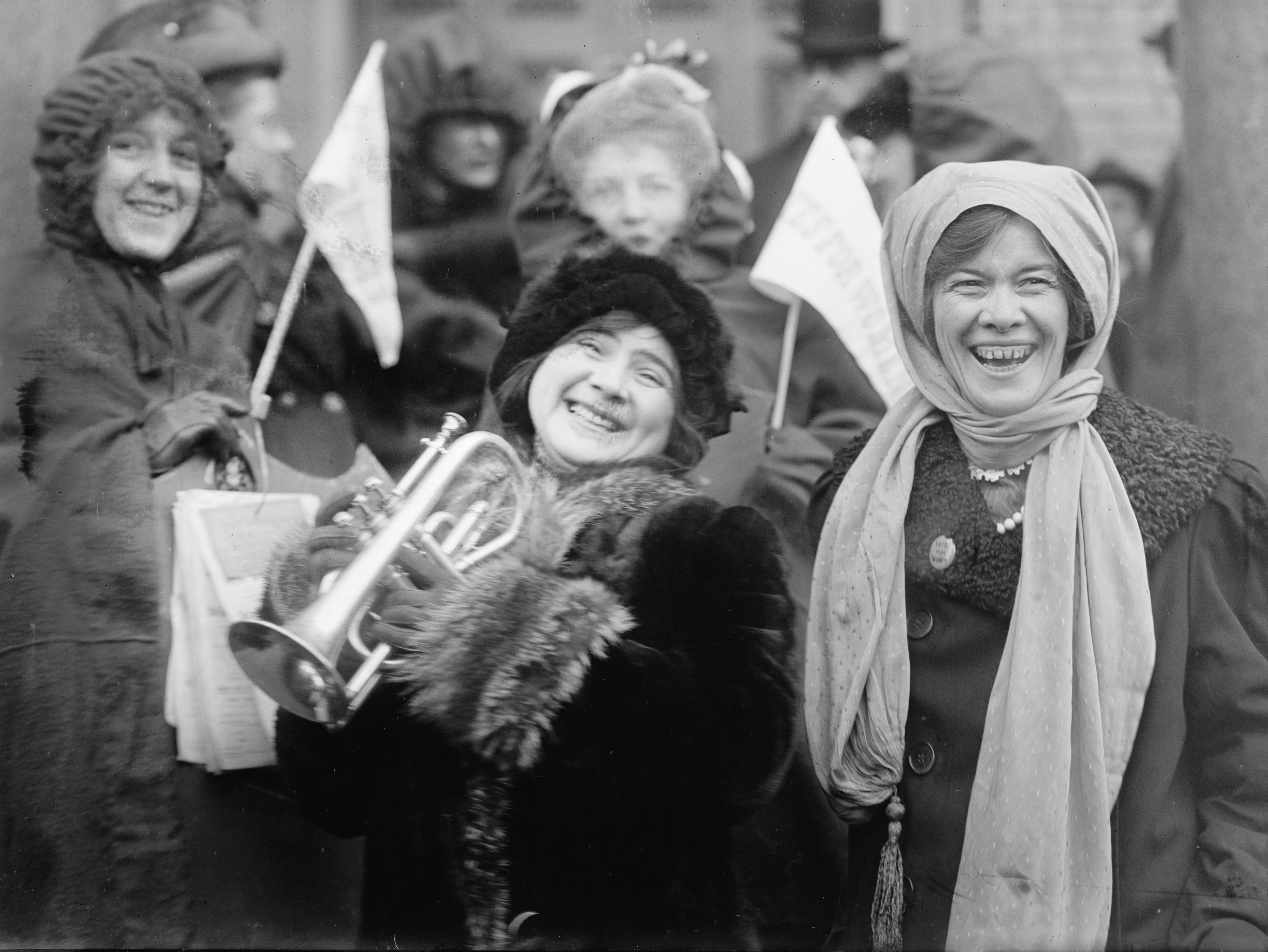 Rose Sanderson Women's suffragists demonstrate in ...
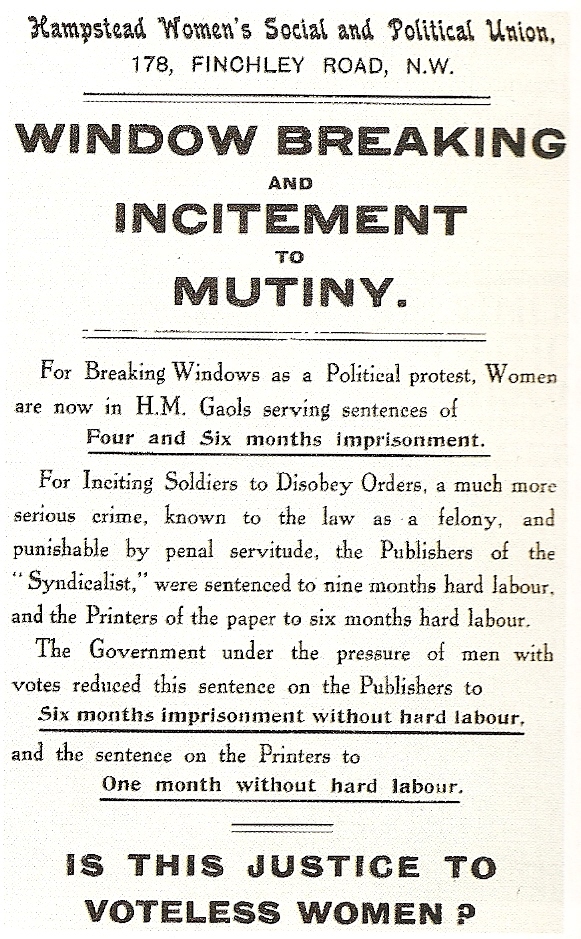 A British suffragette handbill produced during the...
Because of their involvement in the abolitionist movement, women had learned to
organize, to hold public meetings, and conduct petition campaigns. As abolitionists,
women first won the right to speak in public, and they began to evolve a philosophy of
their own place in society. When the 15th amendment, which gave black men the power
to vote, was passed women became furious. Julia Ward Howe said "For the first time, we
saw... every Negro man govern every white woman. This seemed to me intollerable
tyranny."
After the fifteenth amendment was passed, the women's suffrage movement
turned its attention towards gaining the right to vote state by state. Susan B. Anthony, a
leader in the movement, met a wealthy businessman named George Francis Train while
campaigning in Kansas. He...