Most Americans have no idea what is going on in the world of agriculture. All they know is that they go to the super market, buy their food, and eat to their heart's content. We have become a well fed society because of the agricultural changes in the past century. Can we go further? Technology has allowed the farming industry to reach many milestones, but what does it hold for the future? As we continue our fight against world hunger, many seemingly simple technical advances could make a difference.
Biotechnology is now being investigated to find new applications for crops. For example, lactic acid produced from bacterial fermentation of discarded corn stalks is being used to make a material that has the properties of plastic but is biodegradable (7). Studies are also being conducted on finding a way to integrate medicine and agriculture. Currently being tested is way to genetically engineer crops that can vaccinate people against diseases such as small pox, or provide wheat for people who are glucose intolerant (3).
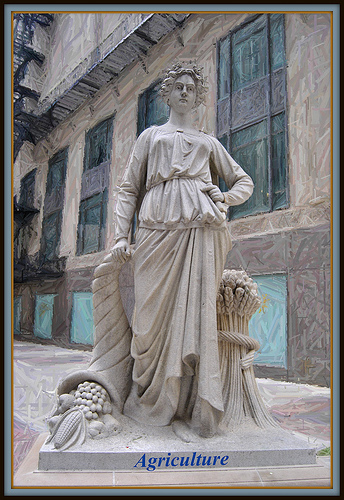 Agriculture
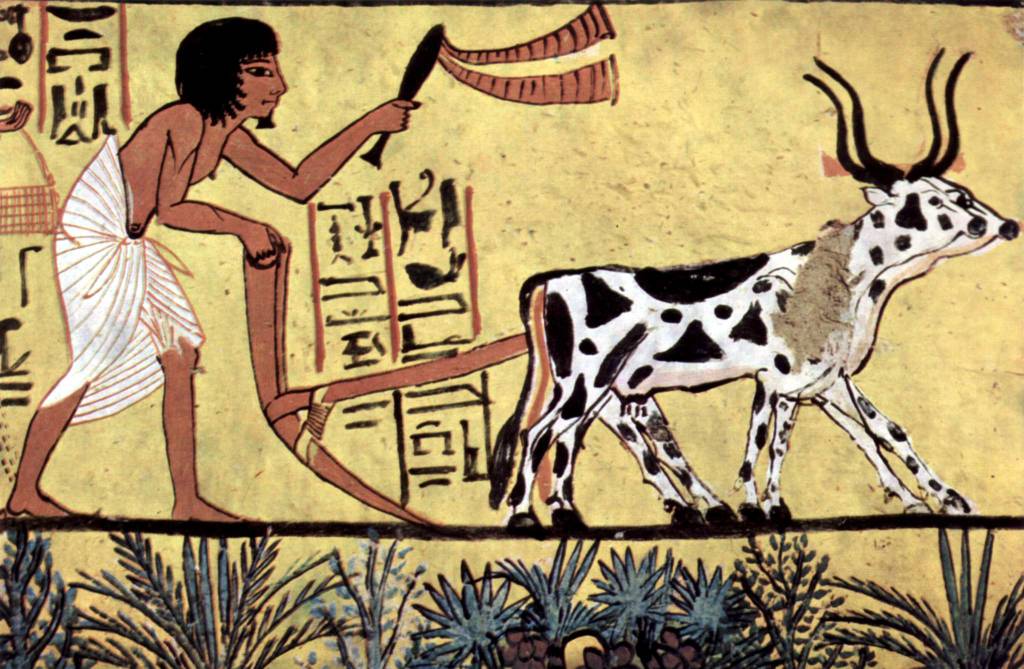 Painter of the burial chamber of Sennedjem
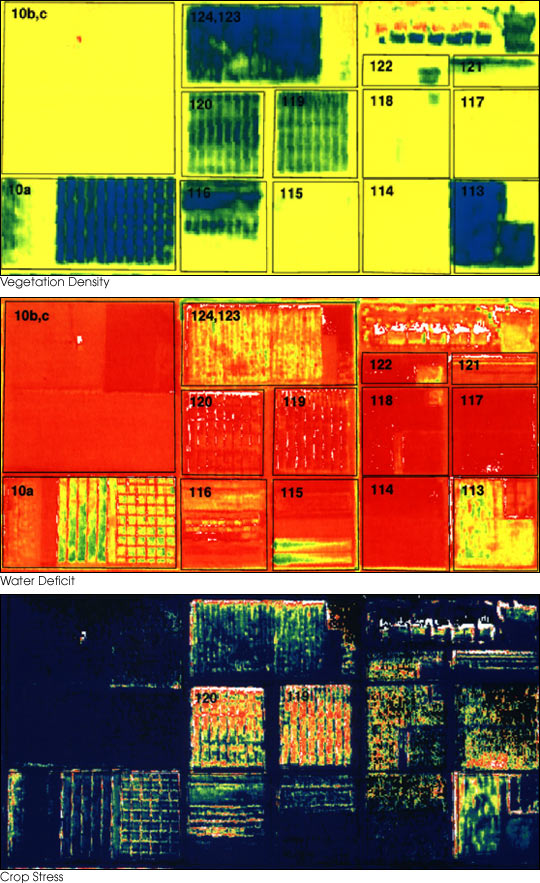 False-color images demonstrate remote sensing appl...
Gardening is quickly becoming a greater source of food for a significant portion of the world population. City farms contributed 15% of the world food production in 1993 and that percentage is planned to increase to 33% by 2005 (4). Around 800 million people in 1996 partook in urban agriculture, which includes growing fruits, vegetables, and herbs, as well as raising livestock (4). Oddly enough, a large number of people believe our only option is to abandon research and technology and regress to primitive forms of farming. And contrary to popular belief, people who used so-called primitive methods were neither unhealthy nor inadequate: most people lived long and hearty lives (6). Environmental and public health also benefit from city farming. For example City farms use waste recycling techniques...
TRue
IT is a critically accurate account of the agriculture.
5 out of 5 people found this comment useful.