Running head: People Who Use Alcohol
Abstract
Alcohol is the most abused drug in the United States and the rate of alcoholism is on the rise. Many people are affected by this chronic disease not just the alcoholic. Infants are born with Fetal Alcohol Syndrome, teenagers are becoming alcoholics including binge drinking, and more children are living with alcoholic parents. People drink for many reasons to include stress. This research shows that the number of alcoholics is a growing problem. Our children are now becoming more involved with alcohol and quickly becoming a statistic themselves. Research that is more extensive needs to be conducted to find a solution to the rising problem of alcoholism. A solution would help all the people that are struggling every day to rise above the need for a drink and it would help our children not become another statistic in the battle of alcohol use and addiction.
 English: adult with fetal alcohol syndrome
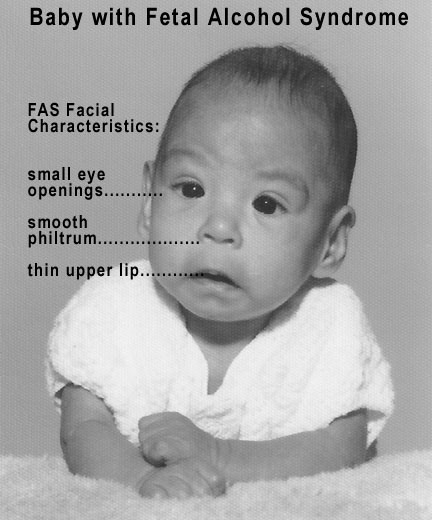 English: Baby with the FAS-syndrome. Deutsch: Baby...
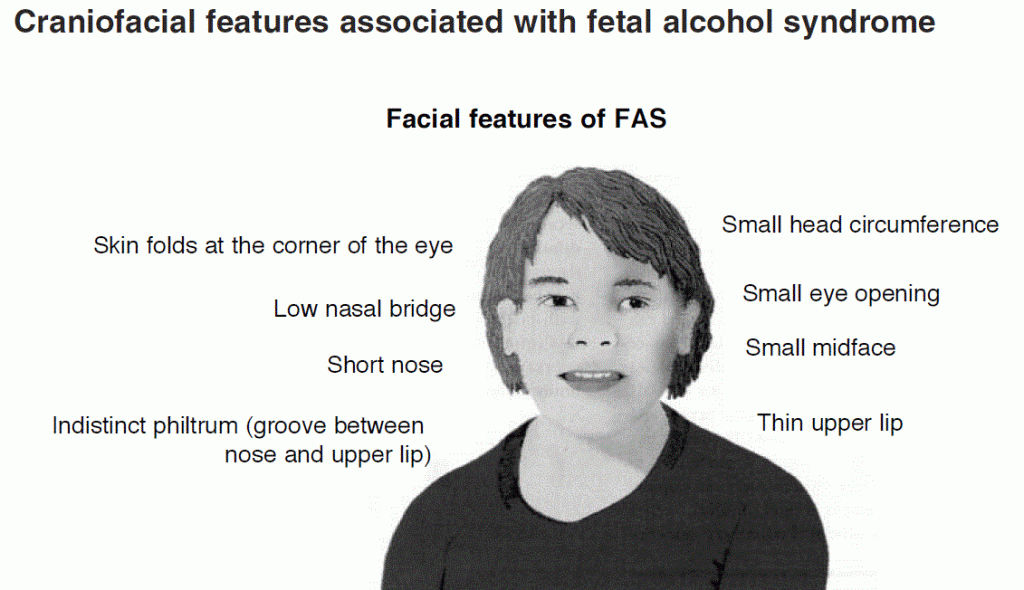 Craniofacial features associated with fetal alcoho...
Alcohol Use and Addiction
Alcohol is a chemical substance made up of the elements carbon, hydrogen, and oxygen. There is more than one alcohol like methyl alcohol, ethyl alcohol, propyl alcohol, butyl alcohol, and amyl alcohol. The only alcohol suitable for drinking is ethyl alcohol, or better known as ethanol. Ethyl alcohol is what is contained in alcoholic beverages. Ethanol is a colorless, flammable liquid with a sharp, burning taste (Jones, 1989). Alcoholic beverages usually contain something to lessen the harsh effects of the chemical like a soft drink or some type of fruit juice. The use of alcoholic beverages dates back to our earliest ancestors. Alcohol use and misuse became associated with the worship of gods and demons. One of the most powerful Greek gods was Dionysus, lord of fruitfulness and god of wine (Martin & Clendenon, 1988).
Alcohol can affect your body is many different...
Comment
Good paper with cited facts. I thought the paper was told a little to much by 3rd person. Would have sounded more professional is not 3rd person.
2 out of 2 people found this comment useful.