Animal testing is unethical and should be regulated.
In the present era of science and technology, animals are used for experiments in various domains such as cosmetic testing, education, biomedical research and so on. Educational institutes from all over the world use animals in biomedical testing; cosmetic and genetic industries primarily use animals for different types of tests. Sarah Rose A. Miller, who wrote the prize-winning essay for the Humanist, reports "Millions of animals, mostly frogs, are killed every year expressly for educational use" (Miller 1).
In many cases, animals are used in order to make sure that a particular finished product will have no side affects on humans. Animals have been used for several decades in experiments to assure human safety. One of the biggest controversies in all areas of research today centers on the ethics of using animals to test the safety or effectiveness of new products and procedures.
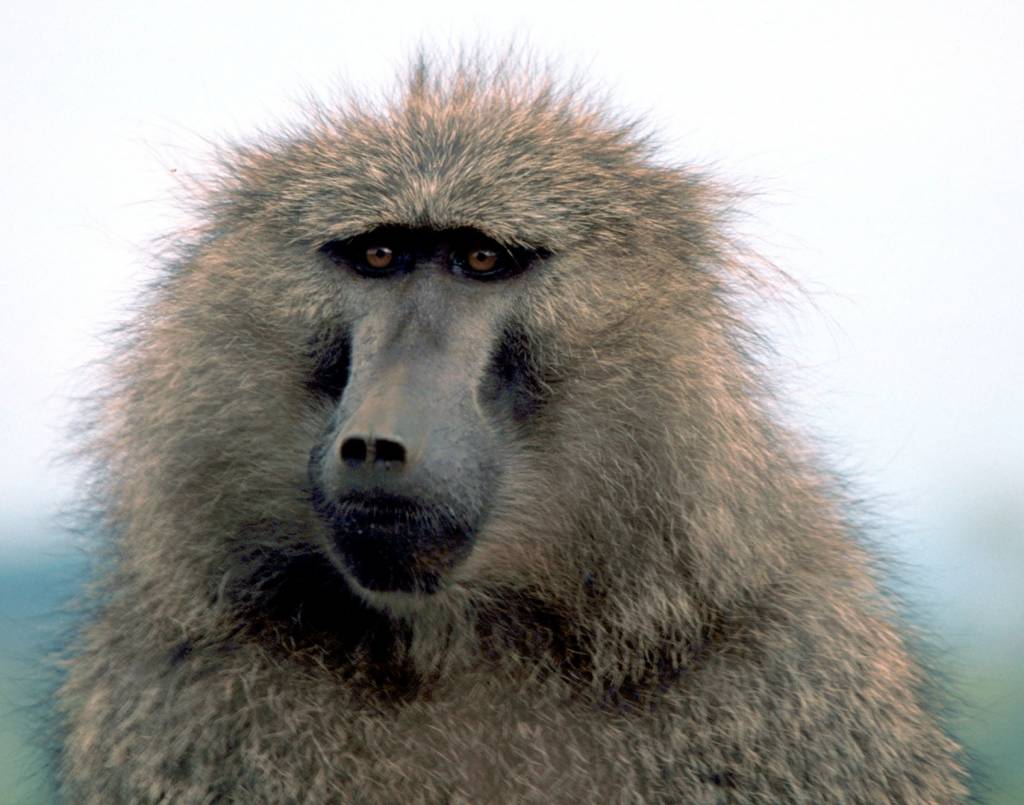 Papio anubis (olive or anubis baboon)
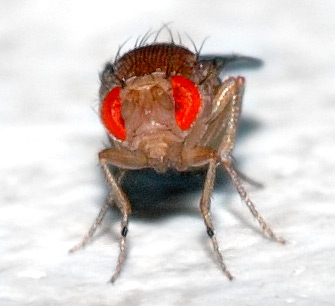 This image shows a 0.1 x 0.03 inch (2.5 x 0.8 mm) ...
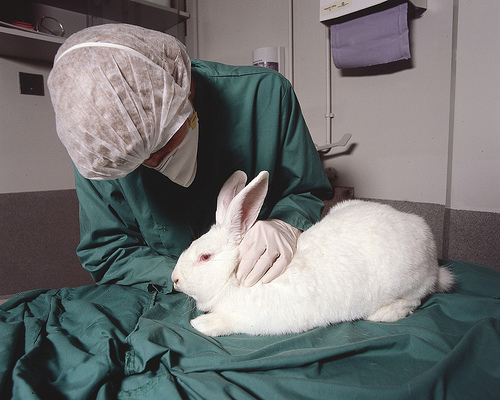 Rabbit in Research for Animal Testing
However, this issue has raised a number of questions relating to human ethics. In the past, several plans have been introduced for organizations that continuously rely on animals for testing purposes, but no plans have worked so far.
Imagine having the nerves removed from your limbs and then stimuli-flames and electrical shocks-applied to your appendages to see if you can feel it. This is an actual test that was preformed on monkeys in Silver Spring, Maryland (Amory 117). Animal testing should not be done in a manner as it is presently being done. Not only is it unethical and cruel, organizations are using animals in their laboratories for profit purposes and are abusing the rights they have to experiment on these animals.
Kinnett 2According to Bekoff, "at least 25 million animals (including chimpanzees, dogs, cats, rabbits, hamsters, birds, and rats) are used in U.S. research labs" (Bekoff 1). Imagine...