Overview
Snake venom is the poison fluid normally secreted by venomous snakes when biting. It is produced in the glands, and injected by the fangs. Snake venom is used to immobilize and/or kill prey, and used secondarily in defence. It is a clear, viscous fluid of amber or straw colour.
There are two main types of venom produced by snakes, containing primarily either:
*Neurotoxins - these attack the nervous system.
*Hemotoxins - these attack the circulatory system.
While most snakes' venom contains primarily either one or the other, there are some snakes which have a combination of both in their venom.
The snake's poison is a combination of biologically active agents: ferments or enzymes as proteases and hyaluronidase (including 20 digestive enzymes), metal ions, biogenic amines, lipids, free amino acids, and more than 80 large and small proteins and polypeptides that have only been partially identified. While it is a complex recipe, snake venom is made up of mainly proteins and enzymes.
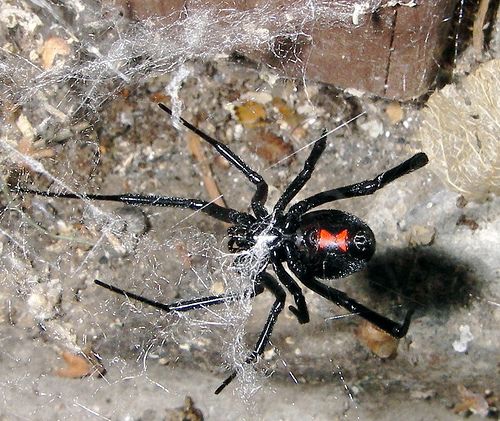 Belly of the Beast
 Snake Handler at Bangkok Snake Farm taking venom o...
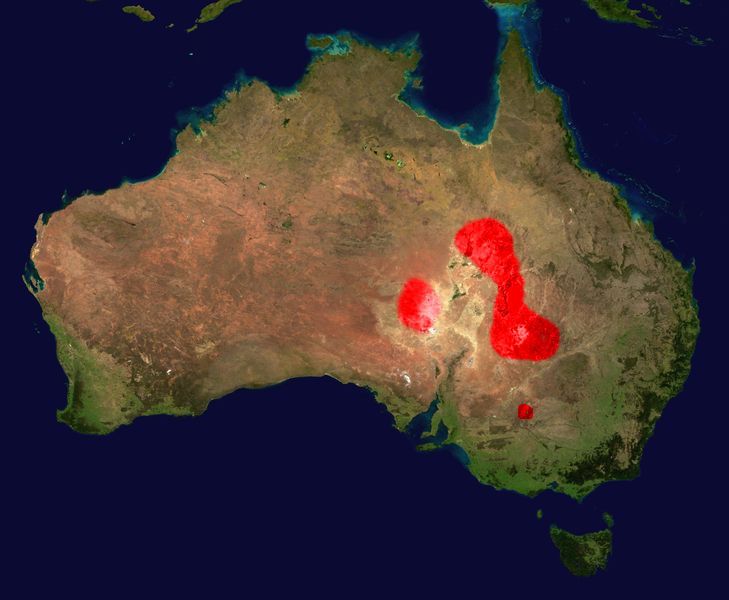 Fierce snake range
The primary constituents of snake venom are as follow:
*Enzymes - Spur physiologically disruptive or destructive processes.
*Proteolysins - Dissolve cells and tissue at the bite site, causing local pain and swelling.
*Cardiotoxins - Variable effects, some depolarise cardiac muscles and alter heart contraction, causing heart failure.
*Harmorrhagins - Destroy capillary walls, causing haemorrhages near and distant from the bite.
*Coagulation - Retarding compounds prevent blood clotting.
*Thromboses - Coagulate blood and foster clot formation throughout the circulatory system.
*Haemolysis - Destroy red blood cells.
*Cytolysins - Destroy white blood cells.
*Neurotoxins - Block the transmission of nerve impulses to muscles, especially those associated with the diaphragm and breathing.
Every snake has a different amount of the aforementioned agents its venom, hence the differing levels of toxicity.
Throughout this report, the examination of the venom of only the...