War is an event that represents the life and times of a state and how it is revolutionized. It introduces new factors that sometimes force others to join in the advancements. In particular, the new face of the ideological concept was brought up. The United States of America and the former Union of Soviet Socialists Republic engaged in an ideological conflict known as the Cold War from 1945 to 1989. It was a war that dealt greatly with the differences of democracy and communism. But the main consequence of the Cold War was also a time of great scientific and technological advancements. Both superpowers possessed highly destructive arms that induced fear in the other. This fear caused the Launch of the Space Race: a derby of government funded scientific advancements to take the human race into space. The Cold War fueled a giant step for mankind, which much advanced space technology.
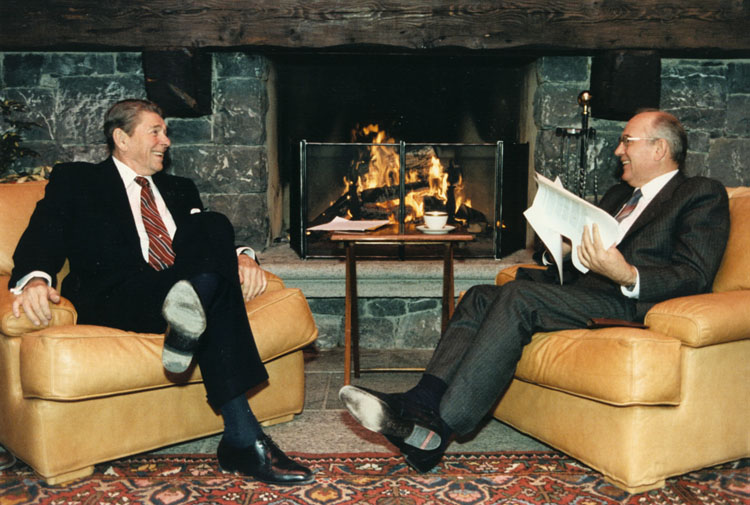 English: US President Ronald Reagan and Soviet Gen...
 English: Map of the Commonwealth of Independent St...
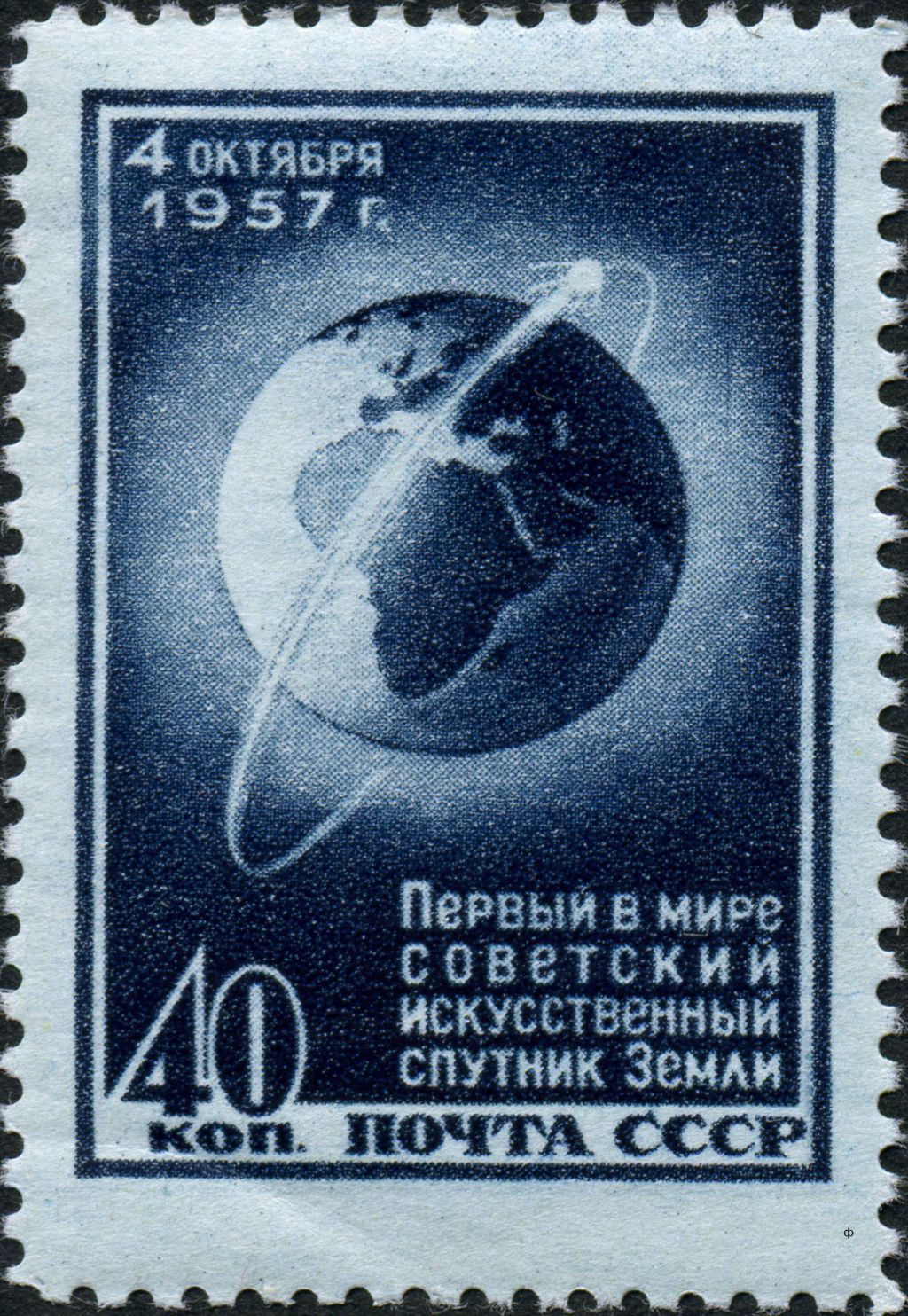 USSR postage stamp depicting the communist state l...
The rivalry between the US and the USSR for power and superiority preceded the Second World War. Both nations had unprecedented tension flowing between them. Among many were the financial and propaganda issues that made them enemies. These facts made a series of races, among them is the Space Race.
The space program is, to a large extent, the result of the Cold War. During World War II much of the basic technology had been developed, especially in Von Braun's V-2 rocket, a missile that gave the basic process that defied gravity. But after the war ended, the world split into two major camps and the old wartime allies (US and USSR) became potential enemies.
The main influence of gaining more inhibitors was the propaganda that each nation projected to each other. The Communists took over the Russian Government creating conflict with the Anti-Communist US.
On one side of...
Good Essay
I have no clue why you got a 82%, it listed and explained everything perfectly... Good Job!
0 out of 0 people found this comment useful.