Hitchcock and Poe, masters of thrill and fear, do not possess occult powers that would explain their success in engaging audiences with their potent displays of horror. Instead, they focus on one simple technique that, while seemingly insignificant and trivial, produces results more satisfactory than those of flamboyant special effects or abstruse language. In Hitchcock's Rear Window and in Poe's "The Fall of the House of Usher," both storytellers use a first person point of view to build apprehension and suspense. This restraint establishes a connection in which the audience is accordant with the main character; they become harmonious in both their knowledge and perception of events, and are therefore left suspended in breathless anticipation.
In Hitchcock's Rear Window, the audience sees everything through the eyes of L. B. Jeffries, an immobile photographer who is confined to a wheelchair in his apartment, and spends his days gazing out of his window at the daily lives of his neighbors.
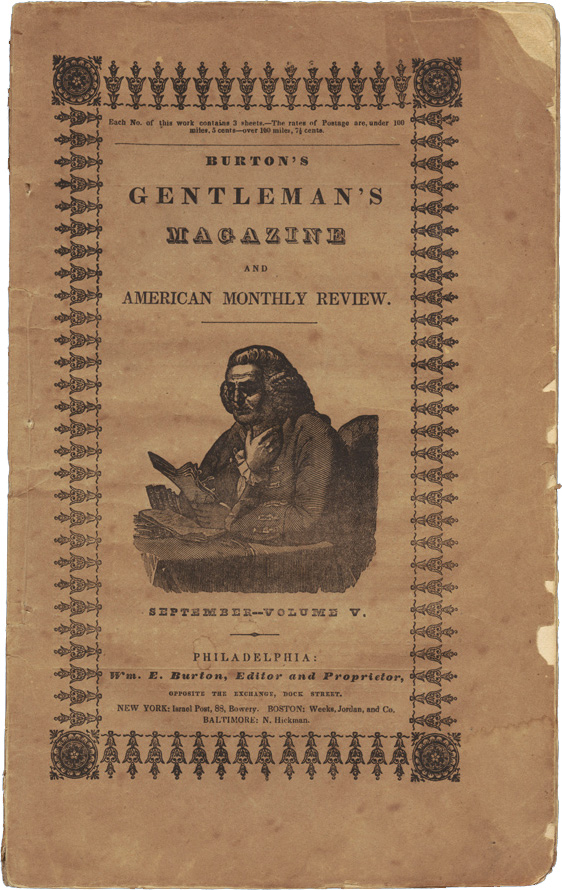 "The Fall of the House of Usher" was published wid...
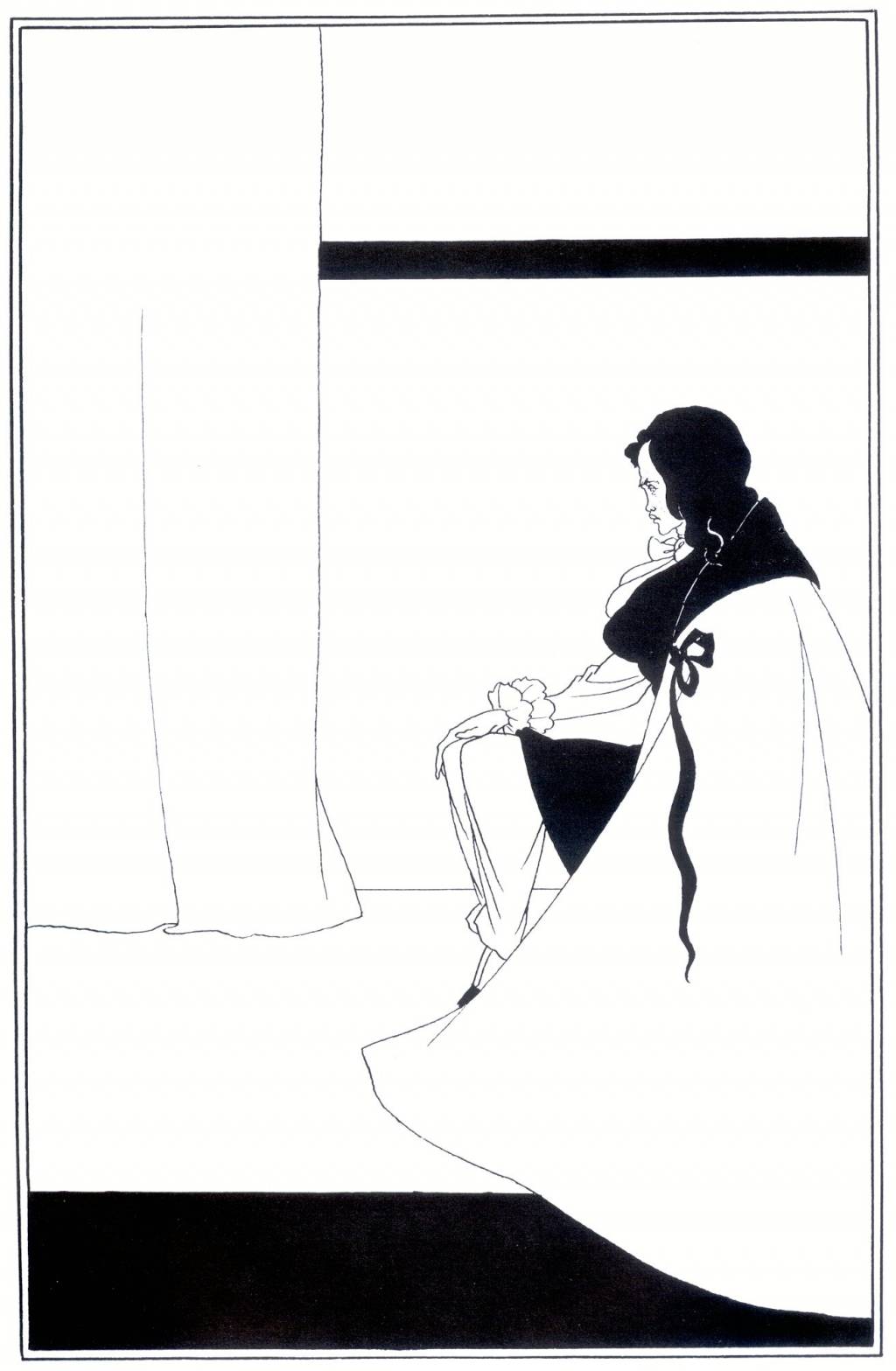 The Fall of the House of Usher
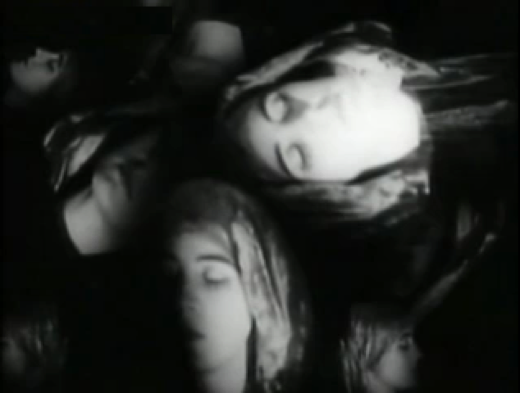 English: The Fall of the House of Usher (1928) is ...
While observing the apartment opposite to his, Jeffries gradually suspects that a murder has taken place, and as his suspicion rises, so does the audience's uncertainty. The audience is experiencing the event with him, learning the same information at the same time he learns it, therefore increasing feelings of foreboding. By denying the audience the luxury of advanced knowledge, and forcing them into the same position as Jeffries, Hitchcock creates an ambiguous atmosphere of frightful anticipation. Jeffries's belief that the husband, Mr. Thorwald, killed his wife is inferred from "clues" seen from his window. The audience is lured into perceiving the situation in the exact manner Jeffries perceives it, even though the assumption is not supported by fact. The viewers accept his thought process despite the possibility of making the same mistake if the accusation is a misconception of...