�PAGE � �PAGE �1� Cost, Volume
Cost, Volume, and Profit Formulas
Cost, Volume, and Profit Formulas
Cost-volume-profit (CVP) analysis is based on five components and the interrelationships found between them. The five components consist of volume or level of activity, unit selling prices, variable cost per unit, total fixed costs, and sales mix.
The volume or level of activity is the activity that causes changes in the behavior of cost. The changes should be correlated with changes in cost. For instance, Hewlett Packard (HP) provides company cars to many of its sales professionals, the miles driven cause change in the behavior of costs.
The unit selling price is linked directly to profit and includes all costs and expenses pertaining to production and sale of the product. For instance, if a product becomes unprofitable, a company will lose money on each and every sale. A company might raise the selling price, cut production costs or discontinue the product entirely.
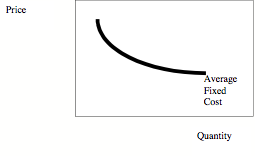 Average Fixed Costs
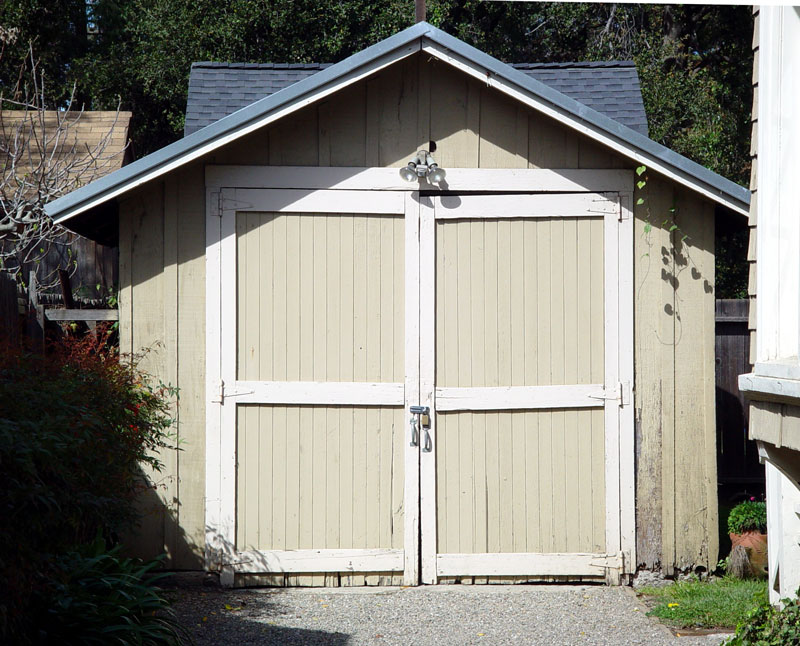 "HP"-Garage in Palo Alto
 Digital camera for SDIO (Secure Digital Input/Outp...
The total fixed costs are costs a company incurs that are not affected by activity. They remain unchanged, even when there are changes in activity. For instance, in HP, as a manufacturing company they incur fixed costs such as property taxes on all property owned, lease costs on fleet cars provided to the sales force, and interest on any debt the company might have.
The variable cost per unit is a cost a company incurs that remains unchanged per unit, even when there are changes in activity. For instance when HP manufactures a computer, the cost for the power button is two dollars. The two dollars cost will stay the same whether HP manufacturers 500 or 5000 units.
The sales mix is the number of units sold of a given product relative to the total units sold by the company, the percentage...
Very good
well structured and written
1 out of 1 people found this comment useful.