Development of pre-dried and blended lime mortars for the ready-mix market
IntroductionMortar is a mixture of sand, a binder such as cement, and water. This mixture is used in masonry construction to fill the gaps between the bricks and blocks used in construction. It is applied as a paste during construction, and then later sets hard, holding the blocks, or bricks together firmly. It can also be used to fix parts of a construction where its original mortar may have been washed away. Currently, mortar can be either mixed on site, or factory-produced ready-to-use mortar can be bought. (Allen, 2003)Ready-to-use mortars are replacing on-site mixed mortars, due to their advantages over on-site mixed mortar. They are made in factories under tightly-controlled conditions and delivered to site, ready to use. They have guaranteed mix proportions and overcome any potential problems relating to site mixing. They contain accurate cement ratio in the mixture. This is because the cement content is controlled in the production factory, where accurate measuring techniques are put into use. The factory-made mortars also offer the advantage of consistence in quality, since the mixing procedures and contents are constant in the factories. This also results to consistence in strength and color. Since all the mixing is done in the factory, using these mortars reduces mixing and labor costs, and also reduces wastage of materials that is experienced during mixing of mortar on site. Health and safety on site is improved, as workerÂ’s direct contact with the mortar is reduced.
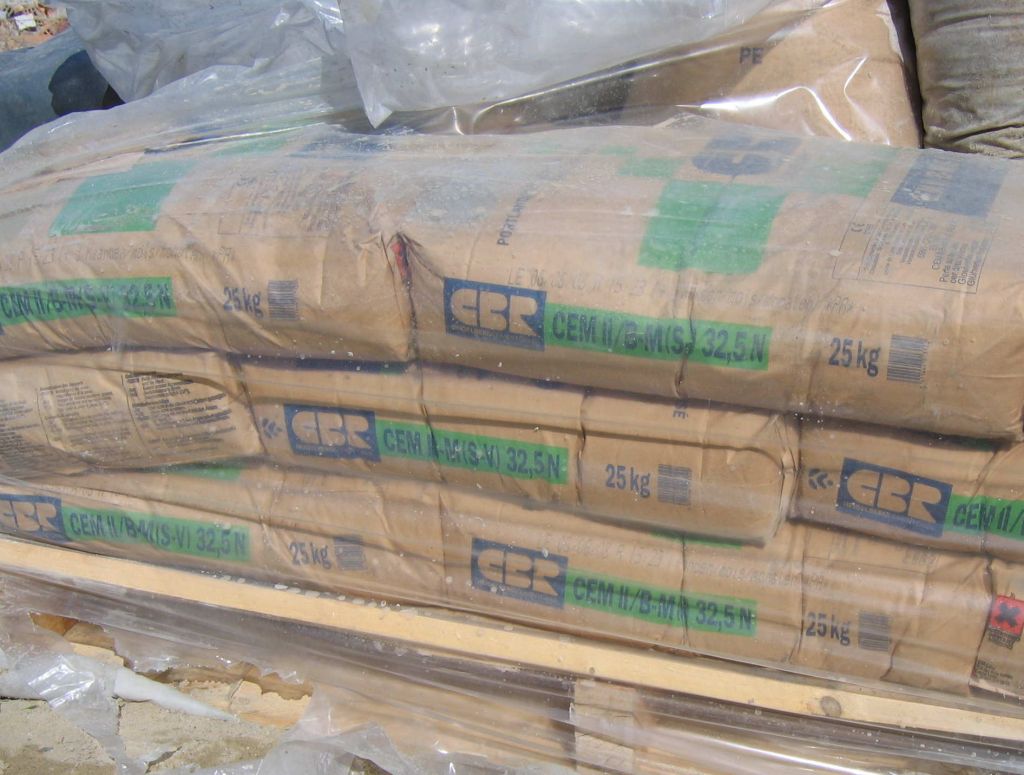
Wet ready-to-use mortars are stored in tubs on site and require no further mixing. They have a retarding agent, which makes them fully usable for a certain period of time, normally around 36 hours.
Dry ready-to-use mortars are stored in silos or bags. Silos are delivered to site complete with integral mixers and requiring only power and water supplies to be...
More Civil Engineering
essays:
Leisure park project
... energy supply strategy should focus on the energy provision for the infrastructure required for the occupants, thereby future-proofing the development, and avoid the need to install additional infrastructure after a period of time. 5.2 Enabling and Construction WorksBuilding ...
The Greatest Construction Material Investigate three materials - steel, concrete and timber - and determine which one is the most important in terms of engineering use, influence etc.
... nature of cements really began. (Camp)Properties and StructureSteelSteel possesses properties that made it the essential medium for constructing infrastructure ...
Construction Technology
... this period, I will find out what type of foundations were used. Foundations are the part of the building which is in direct contact with ...
Cladding on buildings - Trespa
... bedding and flush pointed with cement These are thin, non structural slabs of natural ... have considerable implications. The stones themselves are normally bedded in mortar, with 10mm wide vertical expansion joints required at approximately 6m ...
Water engineering
... study of this report reveals the water supply, waste water treatment and the effects on the hydrological environment for a proposal consisting of 2000 ... low health concerns. In 2004 about 3.5 billion people worldwide (54% of the global population) had access to piped water supply through ...
Civil Engineering Overview and Why it is right for Me.. with citations
... design, and direct the construction and up keeping of roads, bridges, pipelines, airports, waste water systems, and many ...
All about Civil Engineering.
... new construction materials and methods. Civil engineers design and supervise the construction of roads, buildings, airports, tunnels, dams, bridges, and water supply and sewage ... from now, historians will attest to the fact that this period of remarkable progress was led by the United States. From the ...
The shortfalls of control frameworks particularly in relation to application to 'fast-track' on a building project
... fast-track construction, compression of time is a key element, and when this occurs, it generally leads to increased resources on-site, ... decisions and control the project to a certain direction. This methodology poses a number of problems when fast-tracking. Firstly, how do you manage and identify ...