On February 23, 1997, the world was introduced to a seven month old lamb called Dolly, the first known clone of an animal. Since then, cloning has become global issue in today society. Some people believe that cloning and genetic modification are only a simple extension of the selective breeding because of the reasons that they were used to improve production in some ways and they also used to achieve a specific purpose. On the other hand others believe that cloning and genetic modification is not selective breeding. By taking genes from different species and inserting them into another species, cloning is more invasive if compare to selective breeding.
Choosing males and females with desirable characteristics and breeding them in order to produce offspring with these characteristics can define selective breeding as the process in which plants and animals are changed. According to Agribusiness Perspectives - Paper 51 - 1, Genetic modification or GM is a term used to describe a group of techniques, which can modify the genetic material of a living organism (plant, animal or microbe) and thus alter its characteristics.
 English: Ducks on the Wharfe These are domestic (o...
 Carrots of many colors.
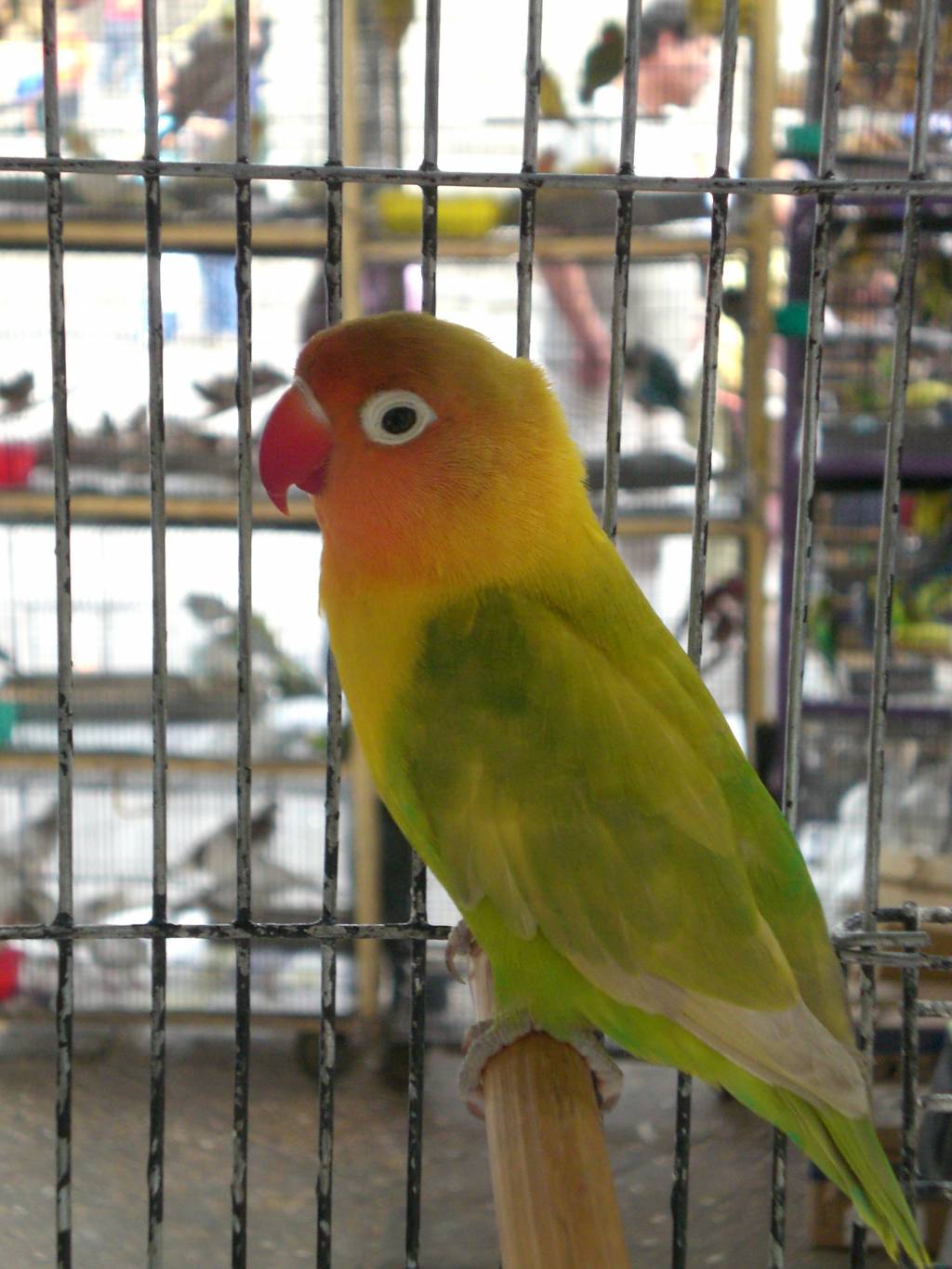 Fischer's Lovebird in a pet shop. The wings have a...
While cloning can be define as the process in which a colony of genetically identical cells or organisms were grown in a laboratory to produce numbers of identical plants or animals.
Some people assume that cloning and genetic modification is simply an extension of selective or traditional breeding because all of these techniques are used to increase the quality or the quantity of productions. Sheep, cows, chickens, pigs and many other animals as well as plants are the subject of selective breeding. For instance Holly, the Holstein cow has been cloned and genetically modified to produce higher concentrate of protein in milk, sheep have been bred to produce more wool and chickens have been bred to be...
Informative piece
This essay has an interesting introduction which intrigued me to read on. Perhaps, it would be helpful if you analysed both sides of the argument about cloning. However, overall it was well researched and quite informative.
6 out of 6 people found this comment useful.