Since the success of the Women's Suffrage movement that occurred between 1880-1920, the "second wave" of the women's movement has become a central focus of analysis and debate. Although female representation has gradually improved over the past +50 years, an unbalanced proportionate of power for women involved within Canadian political structures continues to be a reality. "Women constitute over half of the Canadian electorate, yet they account for less than one-quarter of Canadian legislators, Cabinet ministers, senior government officials and judges." Moreover, the majority of female politicians, subject to a notable few, continue to be concentrated in particular areas of policy considered to be the logical extension of traditional feminine concerns health, welfare, education, culture, the family and consumer affairs." Although these areas of "soft politics" offer women the opportunity to influence public policy, they more often lead to dead ends for the possible ascendancy of female legislators into positions concerning economic and foreign affairs.
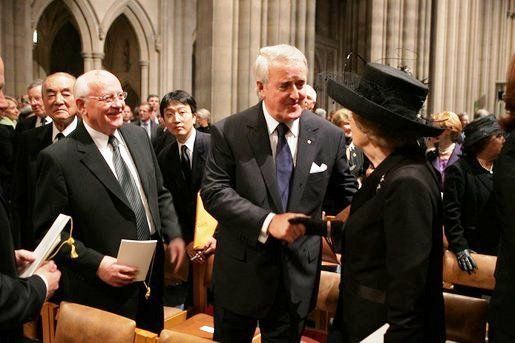 Former British Prime Minister Margaret Thatcher (r...
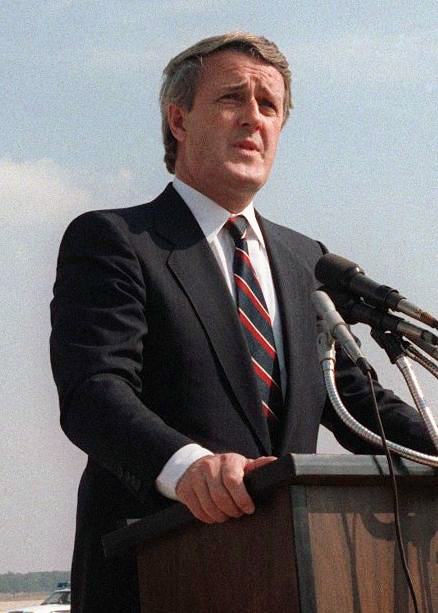 English: ID: DF-SC-85-12406 Service Depicted: Othe...
 English: Canadian Prime Minister Brian Mulroney bi...
By contrast male elites "specialize in more prestigious fields of finance, justice treasury, industry and trade." These stereotypically masculine fields allow male politicians to ascend in political power and influence. In doing so, they indirectly overwhelm the majority of female's attempts to break into and progress in a political institution that is predominately male. Despite these unique obstacles, female groups, both internally and externally, continue to advocate and reinforce efforts to put more women in senior positions. In addition, as the political landscape continues to change, parties are beginning to embrace the image of change and renewal associated with female political representation. Although these are positive improvements, the continued overall effect of the numerical under-representation on Canadian women is negative. Women are still viewed as a novelty, which is reflected in the media's superficial portrayal of female politicians, as well as in their treatment by...