Judaism is intrinsically open to history. It looks forward to a future event - the messianic redemption - that will dwarf the importance of Exodus. This paper will discuss the important holidays of the Jewish year and a look into the Holocaust from a Jewish standpoint. I talked to a friend of mine, Josh Cohen. Josh practices Conservative Judaism. I also retrieved some information from a book The Jewish Way; Living the Holidays. Rabbi Irving Greenburg wrote it. I will first explain the holidays I discussed with Josh, and then discuss Josh growing up in the Jewish culture.
'They particularly exemplify the focus on developing human capacity in the Sabbath and days of awe. The primary, Holy days that nurture personal life along the way. The Sabbat, on a weekly basis, and Rosh Hashanah and Yom Kippers, annually, are the key periods of individual family renewal. These holidays accomplish their goals primarily by lifting the individual out of a routine that controls, too often, deadens daily life.'
 1935: Nazi definition of Jew, Mischling, and Germa...
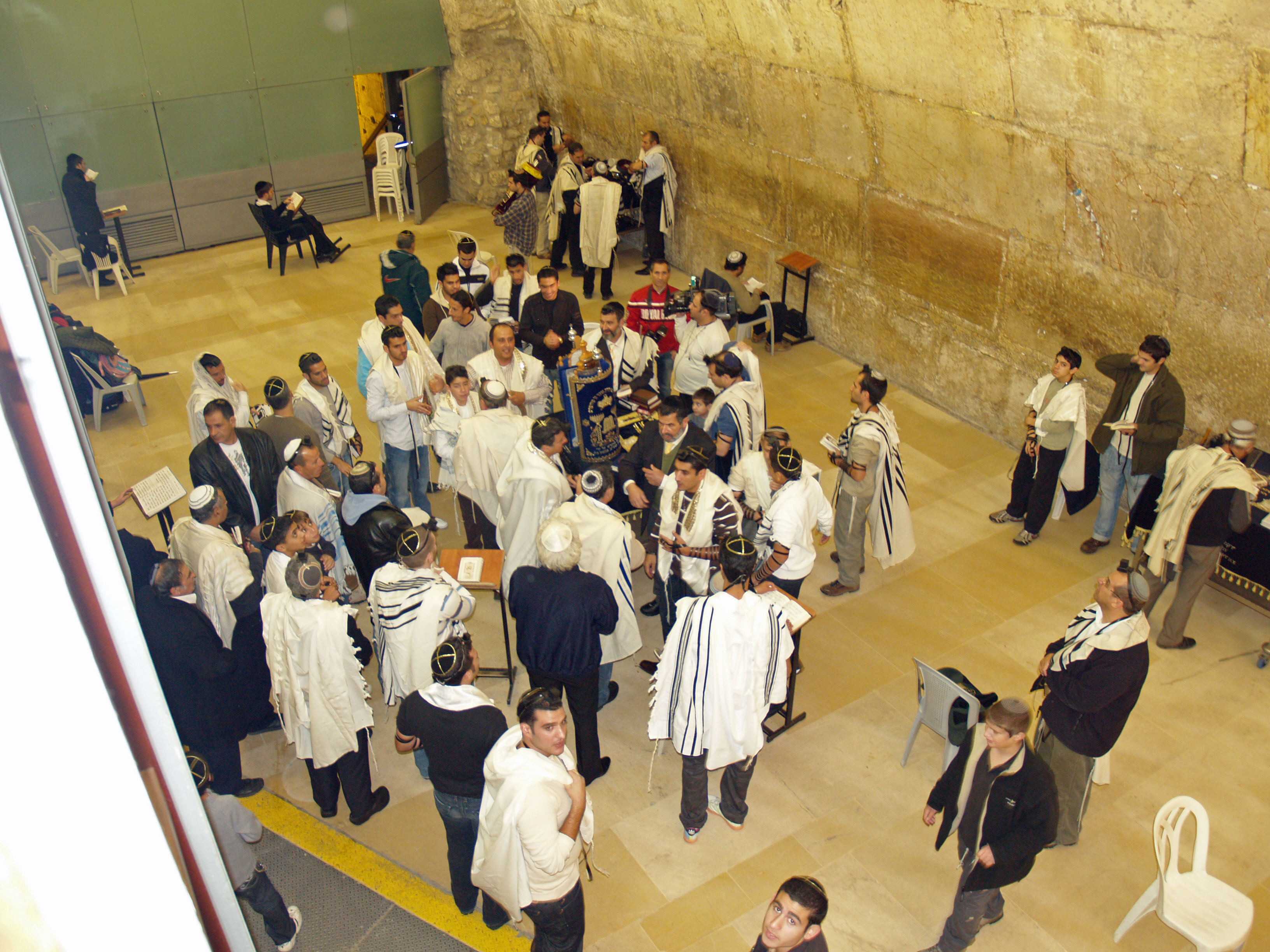 Bar Mitzvah celebrated inside the Western Wall tun...
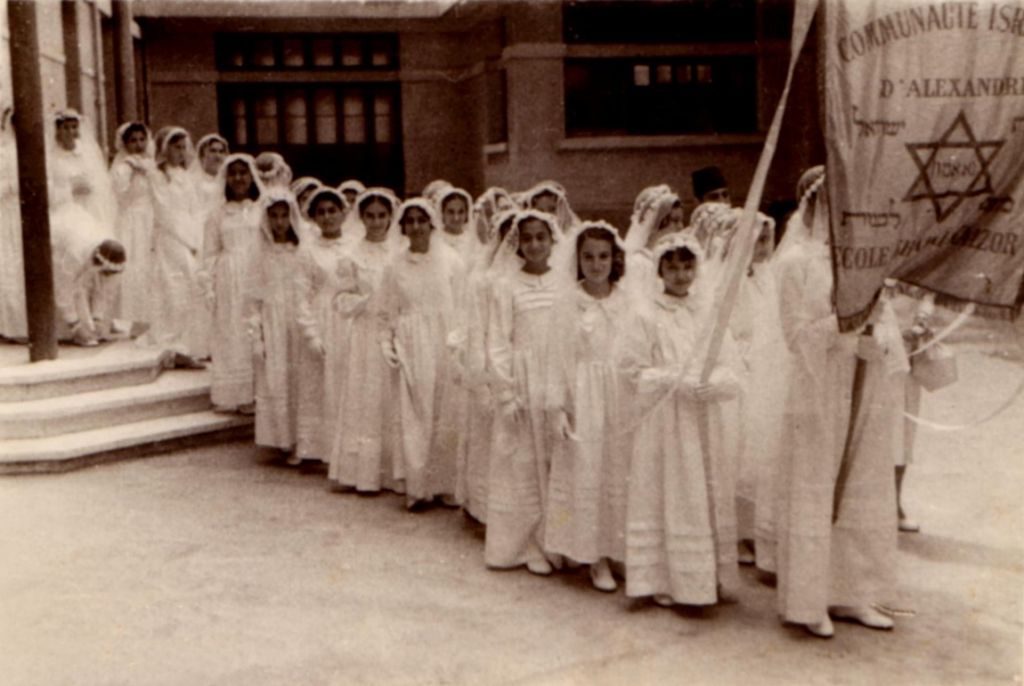 Egyptian Alexandria Jewish girls during Bat Mitzva
The Sabbat is their weekly ceremony, held Friday evenings, to celebrate the end of a work week. Rosh Hashanah - Yom Kipper is the core that of being on trial for ones life. During that trial one moves from life through death to renewed life. Also discussed in this paper is Hanukkah, the festival of lights. Hanukkah stands for the temple that burned to the ground. The Jewish people only had an oil lamp to provide light for six nights and seven days. Therefore that is why they celebrate Hanukkah for six nights and seven days. Passover is also discussed. It is a time where Jewish families are to be fasting, no bread or meat. This last one week. Similar to the Christian Easter celebration. When a Jewish boy turns, age thirteen...