Learning From Data
1. Introduction
Learning tools can be divided into two groups: Theory driven and data driven. Theory-driven learning, often called hypothesis testing, attempts to substantiate or disprove preconceived ideas. Theory-driven learning tools require the user to specify most of the model based on prior knowledge and then test to see whether or not the model is valid. In contrast, data-driven learning tools automatically create the model based on patterns found in the data. This newly discovered model also needs to be tested before it can be accepted as valid. Learning is an iterative process, and the final model usually results from a combination of prior knowledge and newly discovered information. This improved model often can give a business an important competitive advantage.
The focus of this chapter is to understand one of the most severe constraints facing organization: inadequate knowledge for making decisions that mangers nevertheless have to make in order to perform the tasks and achieve the goals that are not set.
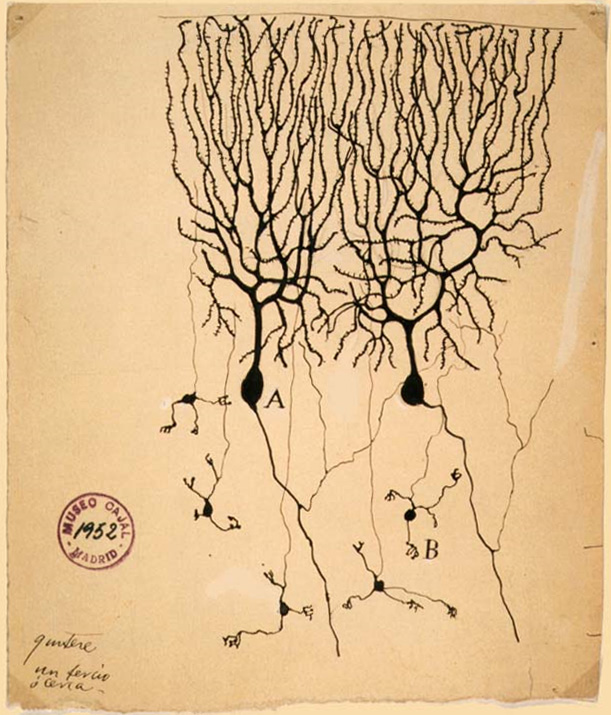 Drawing of Purkinje cells (A) and granule cells (B...
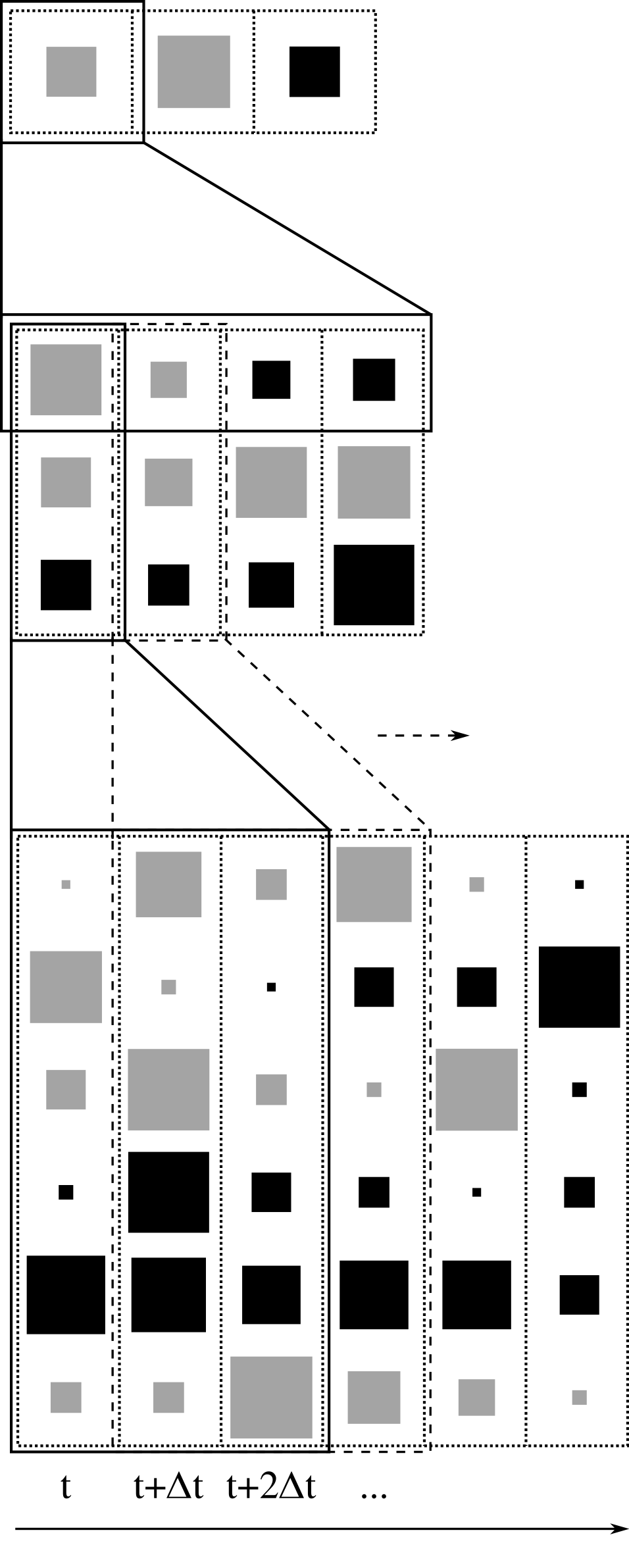 Diagram of a Time Delay Neural Networks (TDNN), a ...
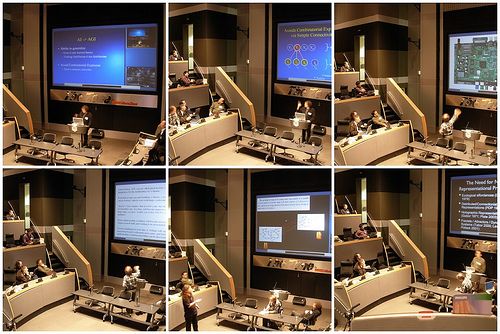 Technical Session # 7 : Neural Network and Brain M...
How a variety of processes coordinate various scattered fragments of knowledge enabling complex organizations to function is the major issue discussed in this chapter.
We want to understand how particular mechanisms procedures and processes are able to mobilize the knowledge needed for making particular types of decisions Some can question the importance of the relationship between knowledge and decision-making.
We have first of all to recognize the existence of an independent reality which is perceived only imperfectly but which can be understood more fully with feedback that can validate or invalidate what was initially believed. For example the competitive market is one of the most powerful focus for knowledge validation processes. Recognizing the role of feedback in using knowledge to make decisions leads to the necessity of examining the mechanisms of transferring decisions from one...