HUMAN VERSUS HUMAN
Living in a world in which artificially intelligent robots have become parts of our everyday life where not only they clean the house, cook or deliver our mails but also write the essays, do the presentations, the jobs instead of us... Is this kind of world merely a dream that can only exist in the science fiction movies or is it our future, we are getting closer its reality day-by-day? Are computers or other kinds of machines able to think as we can do? Is it possible that one-day machines have intelligence or have they achieved this feature before as it is claimed by some of the artificial intelligence theorists? In this paper, these questions will be discussed. The main purpose is to show that the target of the researches on artificial intelligence is unrealistic and impossible even though the researchers will accomplish to create computer like machines that can calculate hundred or thousand times faster than humans.
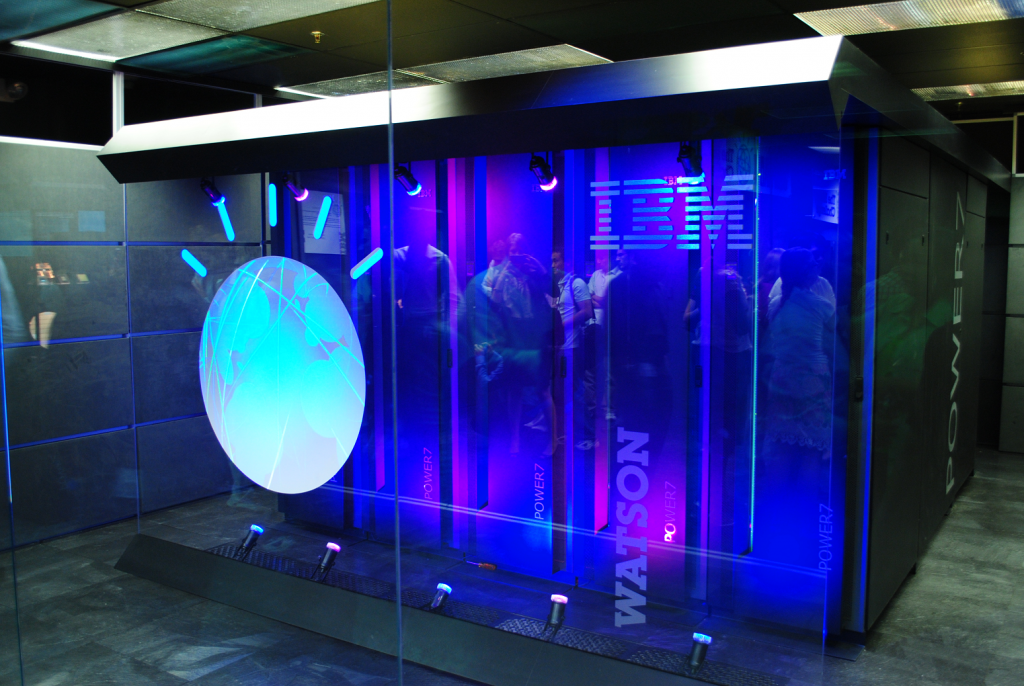 English: IBM's Watson computer, Yorktown Heights, ...
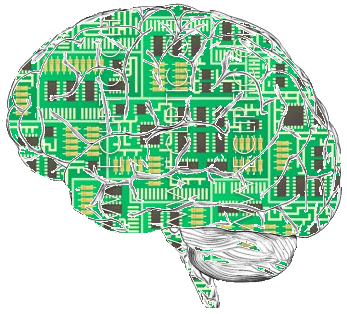 There is currently no consensus on how closely the...
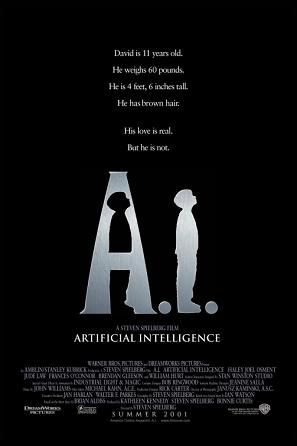 A.I. Artificial Intelligence
Any machine cannot compete with human in terms of intelligence since their producers are also humans. In order to make the issue more understandable and persuasive, John Searle's ideas of the issue will also be analyzed with reference to his article 'Minds and Brains Without Programs'.
So as to understand the arguments and the debate on artificial intelligence, initially it is necessary to know what artificial intelligence is. In a very basic sense this concept can be defined as: "the capability of a device to perform functions that are normally associated with human intelligence, such as reasoning and optimization through experience." (http://glossary.its.bldrdoc.gov/fs-1037/dir-003/_0371.htm) It is asserted that, artificial intelligence is also refers to the branch of computer science that attempts to approximate the results of human reasoning by organizing and manipulating factual and heuristic knowledge. Furthermore, expert systems, natural...