-The 1975-90 civil war which was due to various religious and ethnic factions caused a major damage in LebanonÃÂs economic infrastructure, as it cut national output by half and damaged LebanonÃÂs position as a entrepot and a banking hub caused a major rise of inflation government instability.
-In order to regain control over the country with the help from outside forces peaces has enabled the central government to restore control in Beirut begin collecting taxes and regain access to key port a government facilities. As a result current GDP per capita expanded 353% in the 1990ÃÂs as standard f living began to return to the days before the war.
-The current government under the Premier of Fouad Siniora and Emile Lahoud is split between major influences from Iran and Syria or the US and EU thus after the war between Hezbollah and Israel this really brought the economic reform and build up which was expected of Lebanon to its public debts made thins even worse.
 Basilica of the Immaculate Conception - Our Lady o...
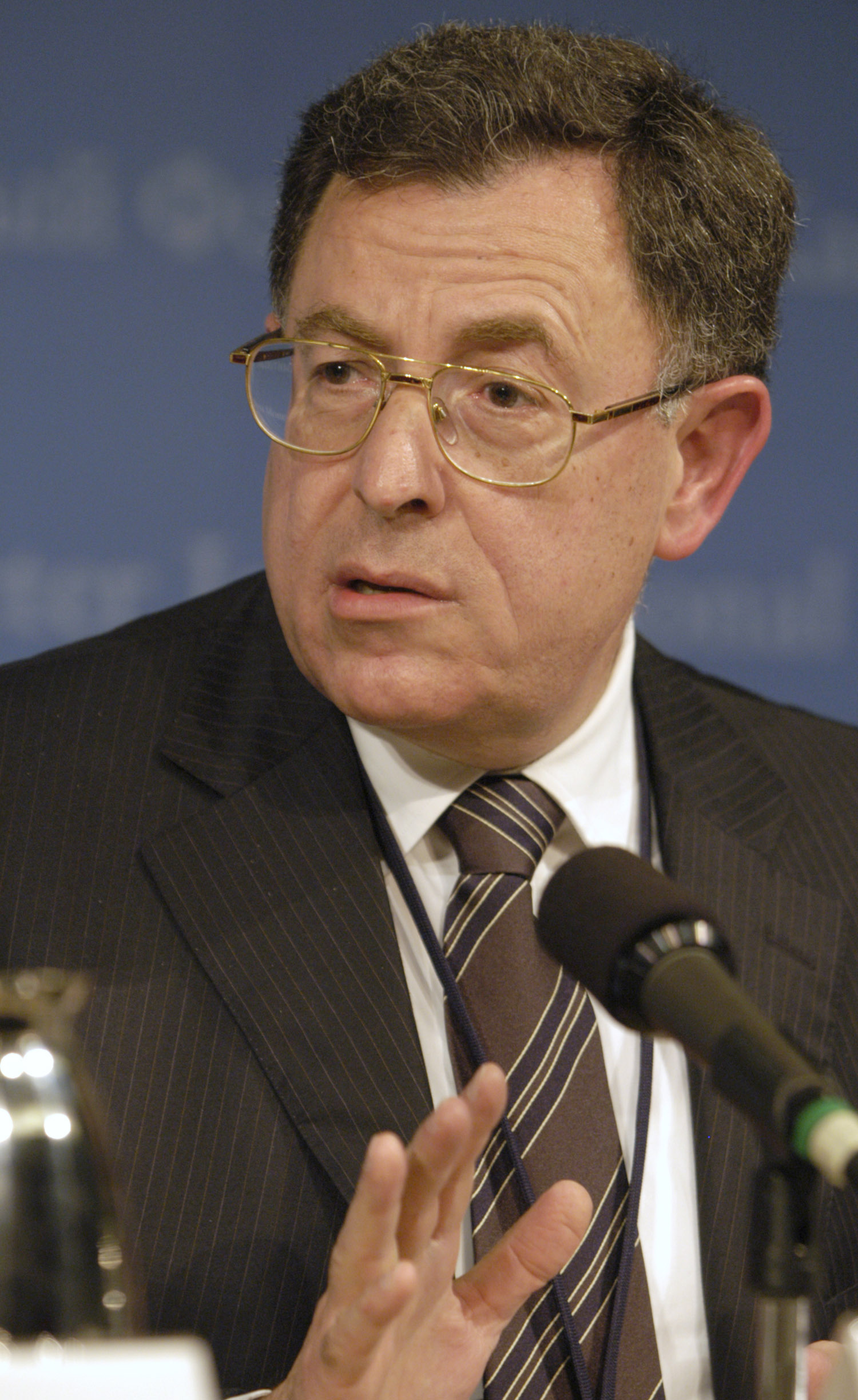 Fouad Siniora (Arabic: فؤاد السنيوره),...
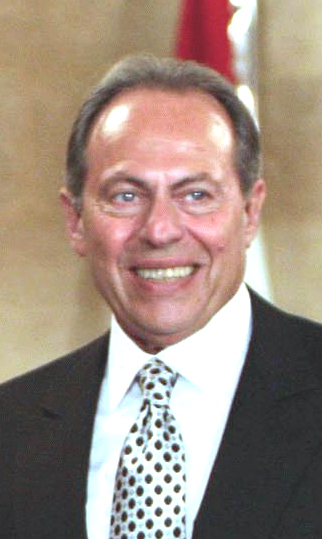 English: President Émile Lahoud of Lebanon
After the first civil war international aid was the main source of foreign exchange.
LebanonÃÂs economy made gains from the launch of ÃÂHorizon 2000ÃÂ which was a $20 billion reconstruction program in 1993. Results were GDP growing 8% in 1994 and 7% in 1995 before IsraelÃÂs Operation Grapes of Wrath in April 1996 which stunted economic activity. Due to the problem that Lebanon depends on outside for help this has really worked against it as who ever tries to get involved wants control in their set of ideas.
-LebanonÃÂs sectors of the economy are agriculture, industry and services & commerce. Lebanon possesses the highest amount of cultivated land in the Middle East but it is under utilized due to not enough labour and attracts 12% of the workforce and only contributes 11.7% of the countries...