THE STRUCTURALISTS
After the 19th century Historicism (which mainly studied the evolution of languages (a new linguistic point of view was brought by the Swiss linguist Ferdinand de Saussure with his work Course in general Linguistics (1916)
Saussure turned those historical explanations of linguistic phenomena and language evolution (diachronic studies) into a description of language structure at a particular point of time (synchronic studies). In his work, he explains several aspects of language through dichotomies, which are defined as couples of words that possess a base characteristic in common and differ in some other aspect. We will explain briefly the 4 most important ones:
1. Synchronic/Diachronic: the first one is defined as the study of a language as a whole in a particular moment of its evolution, paying attention to its structure and characteristics in that specific point of time. A Diachronic study would be the one realised in a period of time, focusing on the evolution of the language.
 English: Signature of the Swiss linguist Ferdinand...
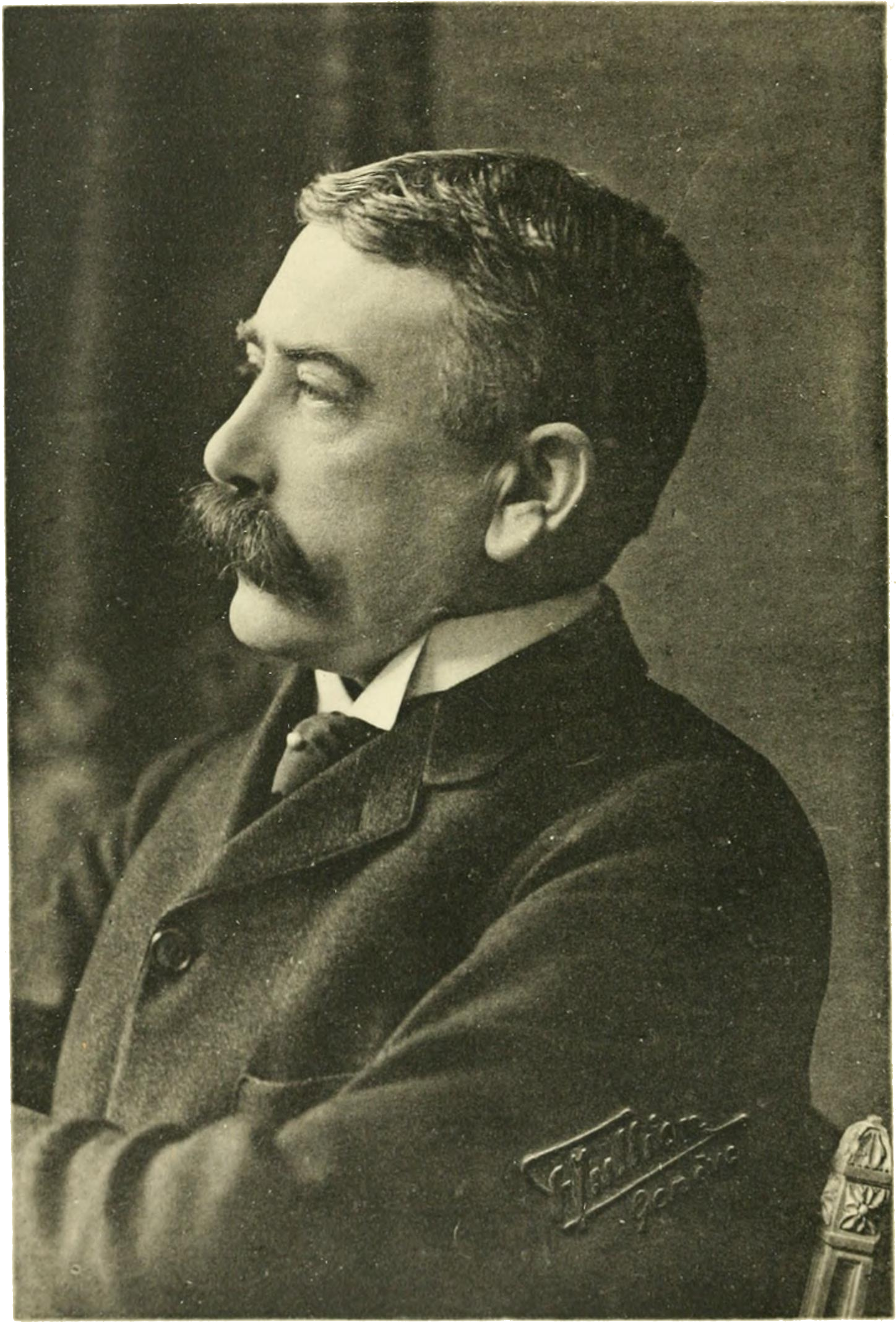 English: The Swiss linguist Ferdinand de Saussure ...
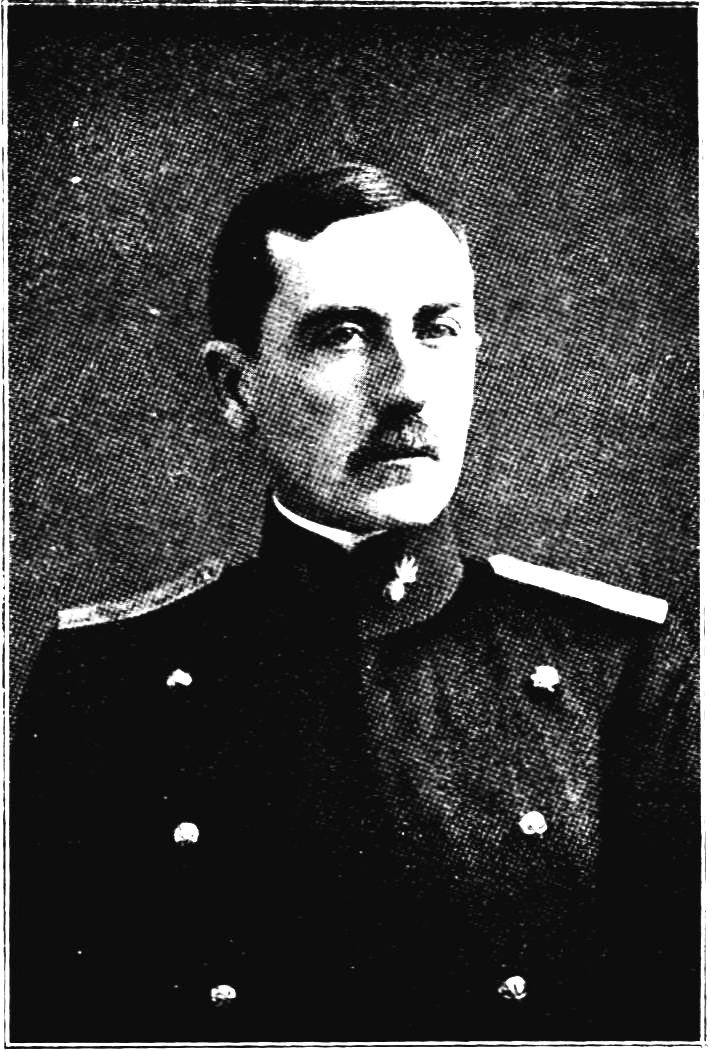 Portrait of René de Saussure, a Swiss esperantist...
2. Lange/Parole: Lange is defined as a system, only used as a shared social phenomenon through which the speakers are able to understand and produce speech. Parole is seen as the individual realisation of that system.
Actually, a third element forms a tricotomy together with these two ones, the term langage, seen as the faculty of speech that all humans are endowed with.
3. Signifier/Signified: The language system is considered as a system of signs. Saussure separates them in two groups, the concept itself (signified) and the acoustic noise or the graphic representation of the concept (signifier).
4. Syntagmatic/Paradigmatic: they are dimensions illustrated diagrammatically as two axes. The syntagmatic axis is where words are linked or chained together, according to some grammatical rules, whereas in the paradigmatic axis, we choose wish words to link together.
Saussure's theory had a deep...