Theories on the Origin of the Moon
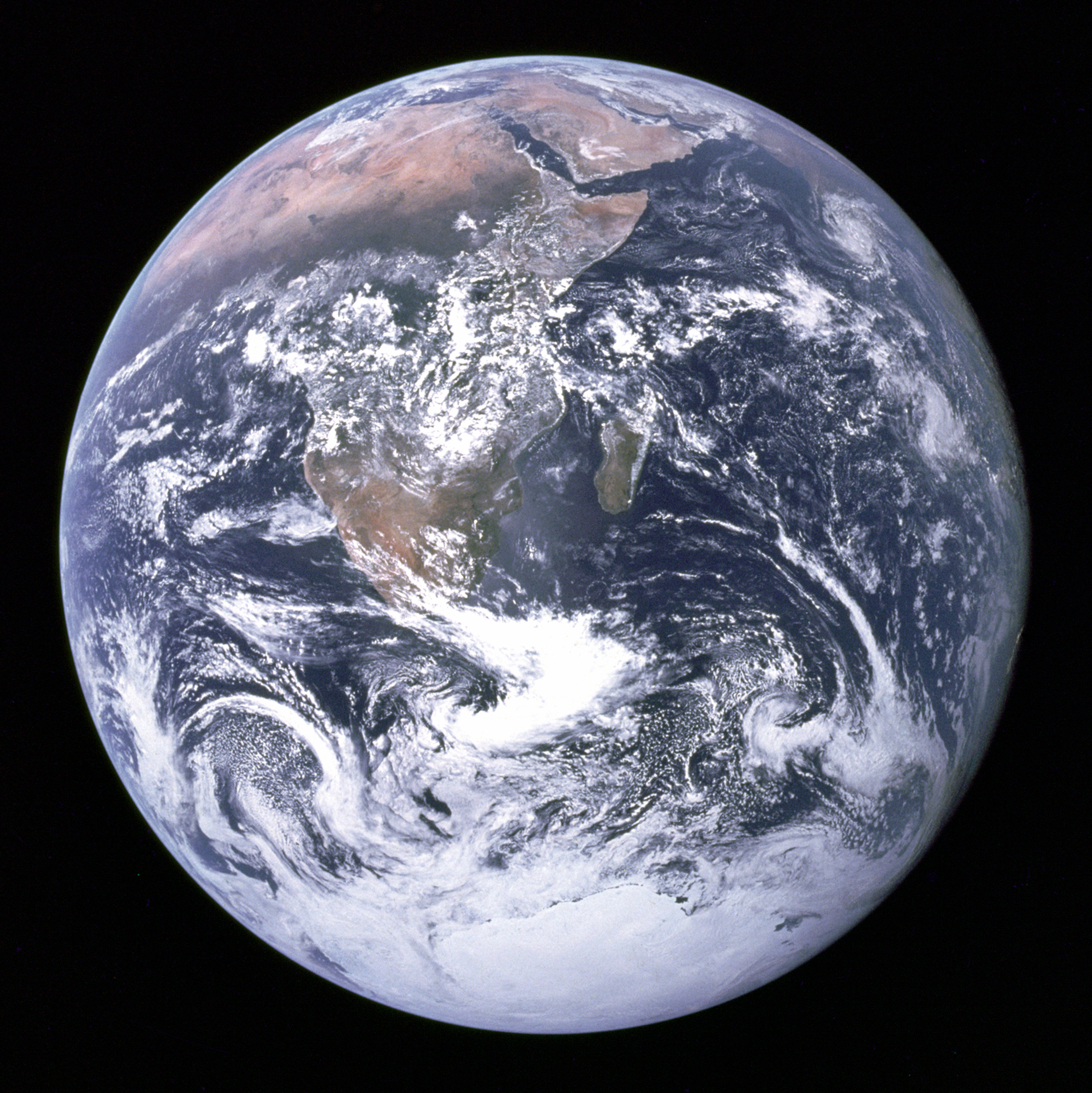
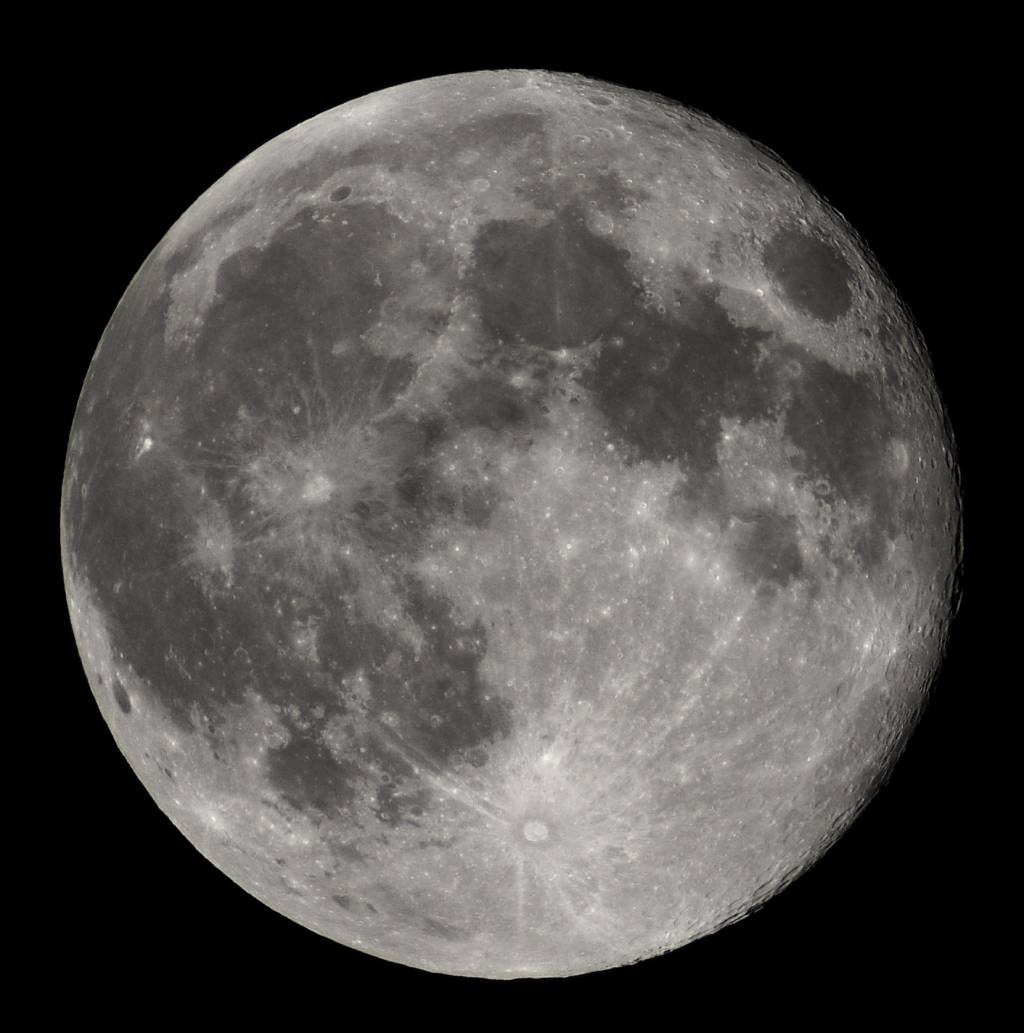
The Moon is the only natural satellite of Earth. The distance from Earth is about 384,400km with a diameter of 3476km and a mass of 7.35*1022kg. Through history it has had many names: Called Luna by the Romans, Selene and Artemis by the Greeks. And of course, has been known through prehistoric times. It is the second brightest object in the sky after the Sun. Due to its size and composition, the Moon is sometimes classified as a terrestrial "planet" along with Mercury, Venus, Earth and Mars.
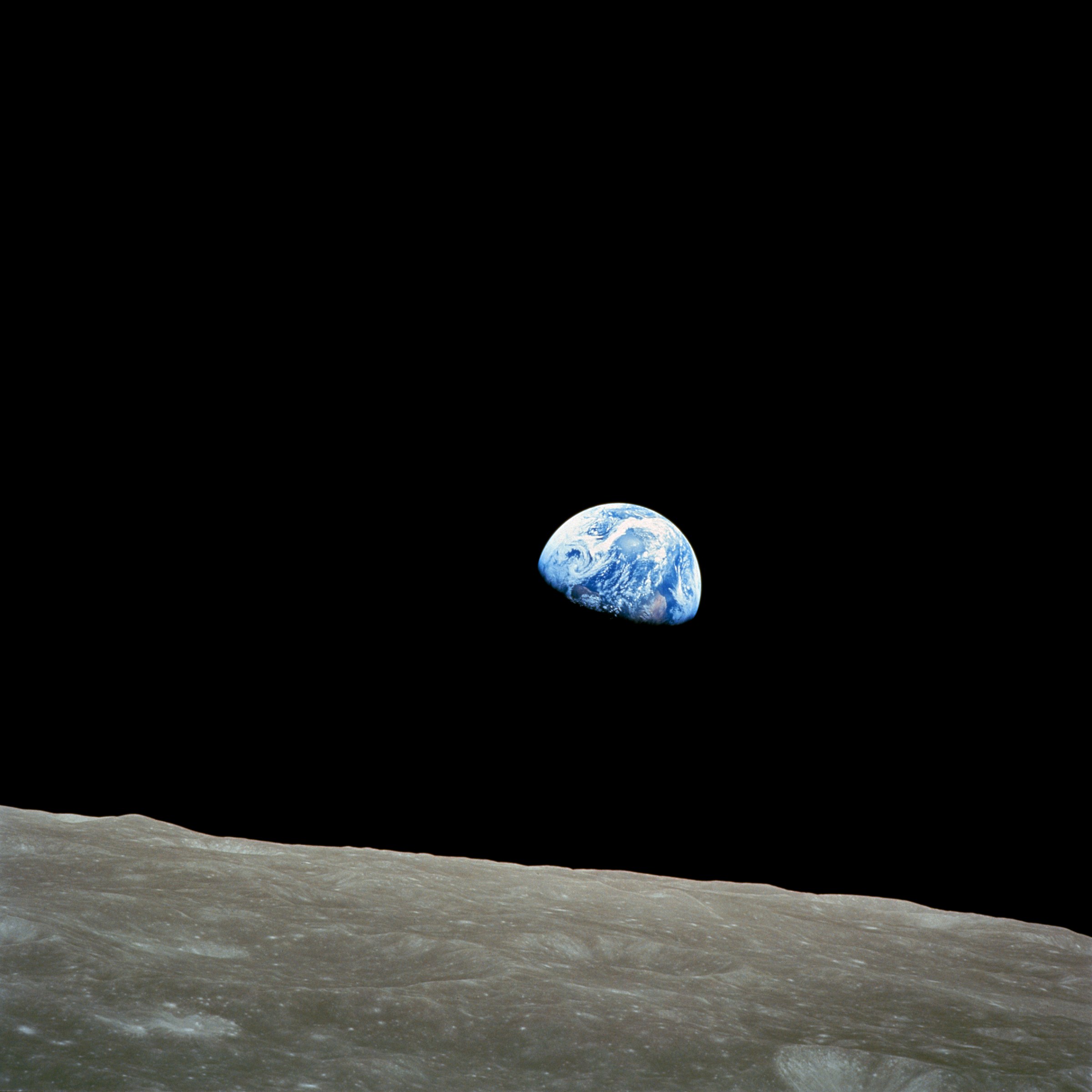
Origin of the Moon Before the modern age of space exploration, scientists had three major theories for the origin of the moon: fission from the earth; formation in earth orbit; and formation far from earth. Then, in 1975, having studied moon rocks and close-up pictures of the moon, scientists proposed what has come to be regarded as the most probable of the theories of formation, planetesimal impact or giant impact theory.
Formation by Fission from the Earth
The modern version of this theory proposes that the moon was spun off from the earth when the earth was young and rotating rapidly on its axis. This idea gained support partly because the density of the moon is the same as that of the rocks just below the crust, or upper mantle, of the earth. A major difficulty with this theory is that the angular momentum of the earth, in order to achieve rotational instability, would have to have been much greater than the angular momentum of the present earth-moon system.
Formation in Orbit Near the Earth
This theory proposes that the earth and moon, and all other bodies of the solar system, condensed independently out of the huge cloud of cold gases and solid particles that constituted the primordial solar nebula. Much of this...
Reviews of: "Theories on the Origin of the Moon"
:
More Astronomy
essays:
How did the Earth's Moon Form and How Has It Evolved Over Time?
... high impact collision between earth and another planet continues to gain further recognition as it is the only theory which accounts for all the properties of the moon. Through current research scientists are ...
How is it known that the Earth rotates? Describe how precise measurements of this rotation, particularly those involving eclipses, have demonstrated that the Earth is gradually slowing down.
... in the solar system (i.e. the Moon, Sun or one of the inner planets Mercury, Venus and Mars). (ii) The exact Julian or Gregorian date of the observation ...
Venus The paper is a study of comparative planetology. The attributes of Venus are compared against the planet Earth.
... comparison of Earth to other planets, we were also able to list many similarities and illustrate just how different Venus is from the other planets that formed. Understanding Venus therefore requires a basic understanding of the solar system from its formation ...
"Our Dynamic Solar System" the origin of the solar system, laws governing the solar system, the sun, the planets and the other bodies that are included.
... 000 of the sun's mass. The four giant planets differ most strikingly from the four inner planets (Mercury, Venus, Earth, and Mars) in their size and composition. The giant planets are ...
The Colonization of Mars: The Plan for Human Survival This essay describes how life could possibly be sustained on Mars and what is necessary for life to exist in general.
... 25% of the planet could consist of water. The setback to this method is the amount of radiation produced by the asteroid's impacts would ...
The Big Bang (comparisive of two major theories)
... of the primeval fireball in the past. The primeval fireball would have sent strong shortwave radiation in all directions into space. In time, that radiation would spread out, cool, and fill the expanding universe uniformly. By now it would strike Earth ...
"Venus: Our Sister Planet?" is short essay that compares Venus to Earth. It has 795 words and 5 references.
... to impact. Venus is considered a terrestrial planet, just like Mars, Mercury and Earth because it has solid rocky surfaces. This type of surface would remind you more of our moon than of our green and blue Earth. The number ...
The Tragic Challanger Explosion
... Wrong." Time 10 February 1986: 36- 37. This article gave an account of the theories that appeared afterwards about why the shuttle exploded. It also told about the NASA ...
Origin Of The Moon
You have writtin for your first ever essay a very detailed accound of the Theories on the Origin of the Moon in your own words. I must stress apon the importance of a biblography showing were your information came from. Yet thanks for a great first essay.
2 out of 3 people found this comment useful.